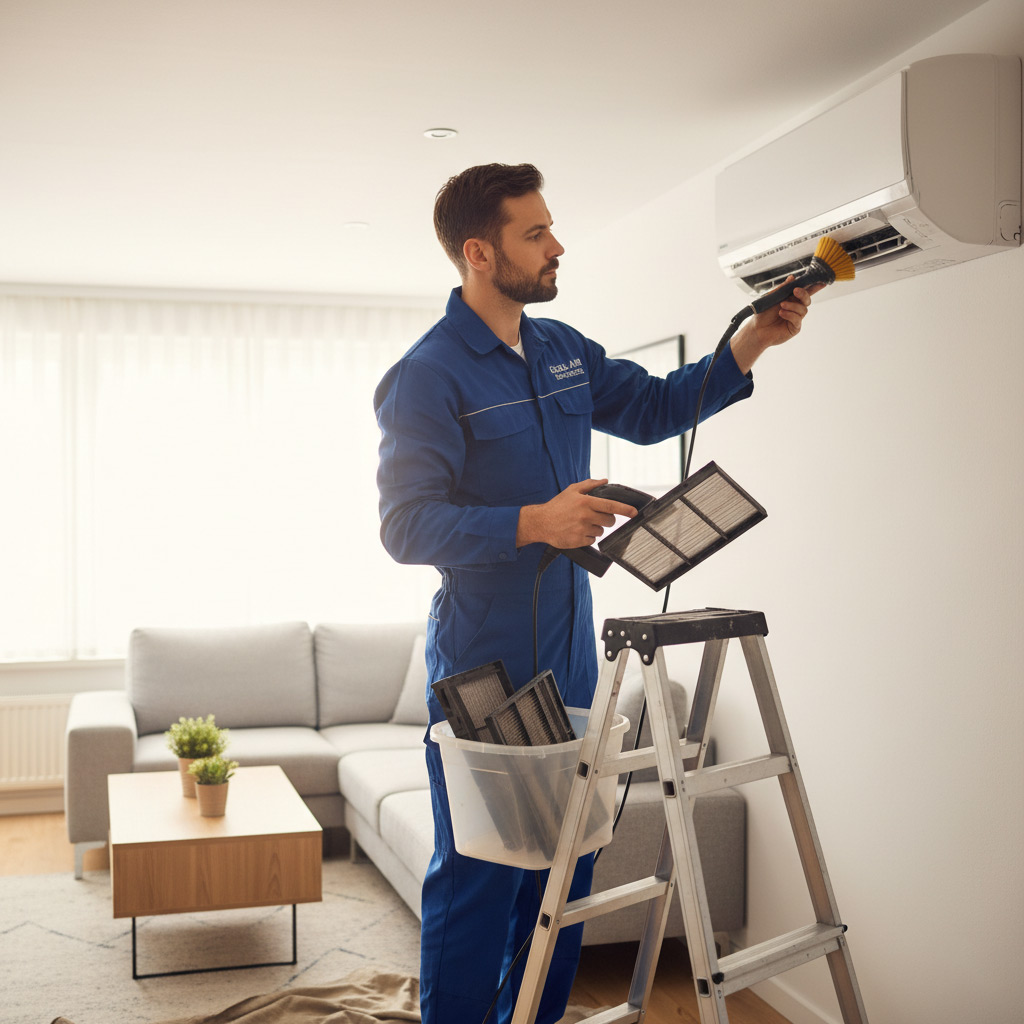
Imagine this: the thermostat reads 72°, but the living room feels like a walk‑in freezer. Your heat pump just gave up the ghost, and the chill is creeping in faster than a Pittsburgh winter storm.
That’s not just uncomfortable—it’s a warning sign that a cheap fix now could cost you big later. In a city where temperatures swing from scorching summer highs to sub‑zero nights, a reliable heat pump is the backbone of every home’s comfort system.
Ready to learn the tell‑tale signs of a failing unit and how to get it back in shape before the next cold snap hits? Keep reading and we’ll walk you through the exact steps to protect your home and your wallet.
Common Warning Signs Your Heat Pump Needs Repair
When the thermostat says 72°F but the room feels like a freezer, the heat pump is screaming for help. Ignore it and you’ll pay for higher bills and a frozen pipe later. The first clue is often a sudden drop in comfort that doesn’t match the setting.
Red flags you can’t afford to miss
- Weak or uneven airflow – rooms get a breeze one minute, then nothing the next.
- Strange noises – rattling, squealing, or a high‑pitched whine that wasn’t there before.
- Frequent cycling – the unit turns on and off every few minutes, burning fuel and money.
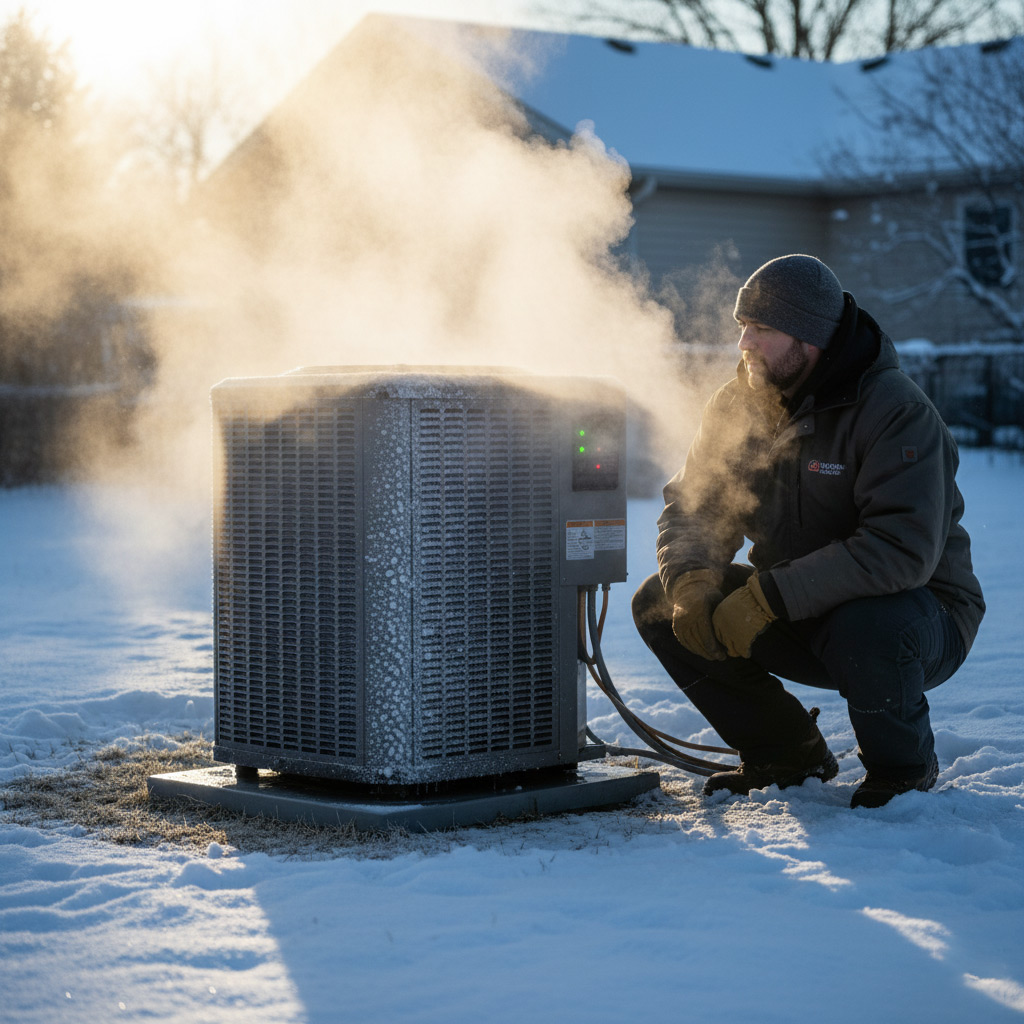
- Ice buildup on the outdoor coil – a frosty coat that won’t melt on its own.
- Unexplained spikes in your electric bill – the pump is working harder than it should.
Spotting any of these symptoms means the heat pump is on the brink of failure. Don’t wait for a full‑blown breakdown; a quick call to a local pro can save you weeks of discomfort and a hefty repair invoice.
How Pittsburgh’s Seasonal Extremes Affect Heat Pump Performance
Winter Freeze‑Thaw Cycle
When the mercury drops below 30°F, the outdoor coil can ice up faster than a steel pipe in a snowstorm. Ice buildup blocks airflow, forcing the compressor to work harder and raising your electric bill.
Once the sun peeks out, the ice melts, flooding the coil with water that can short‑circuit delicate sensors. That sudden shock often triggers error codes that only a pro can decode.
Summer Heat Stress
Pittsburgh’s humid summers push heat pumps into “cooling mode” for long stretches. The refrigerant pressure spikes, and without proper refrigerant charge, the system can overheat.
High humidity also means the indoor coil gets soggy, reducing its ability to absorb heat. Result? A sluggish system that struggles to keep your home at a comfortable 75°F.
What the Weather Does to Your Unit
- Temperature swings cause metal fatigue in valves and expanders.
- Rapid freeze‑thaw cycles corrode copper lines faster than you’d expect.
- Excessive humidity encourages mold growth on coils, choking airflow.
DIY Troubleshooting Steps You Can Take Before Calling a Pro
Check the Power and Thermostat Settings
First, make sure the unit is actually getting power. Flip the breaker back on, then verify the thermostat is set to “heat” and the temperature is a few degrees higher than the room.
If the display is blank, the thermostat may need fresh batteries or a reset. A quick reset often clears a glitch that mimics a bigger problem.
Inspect the Outdoor Coil and Fan
Turn off the power, then pull off the protective grille. Look for debris, leaves, or ice buildup that could choke airflow.
- Clear any junk with a garden hose—just a gentle spray.
- If you see ice, let it melt naturally; never chip it off.
- Spin the fan by hand; it should turn smoothly.
A clean coil and free‑spinning fan can restore performance in minutes.
Test the Air Filter and Reset the System
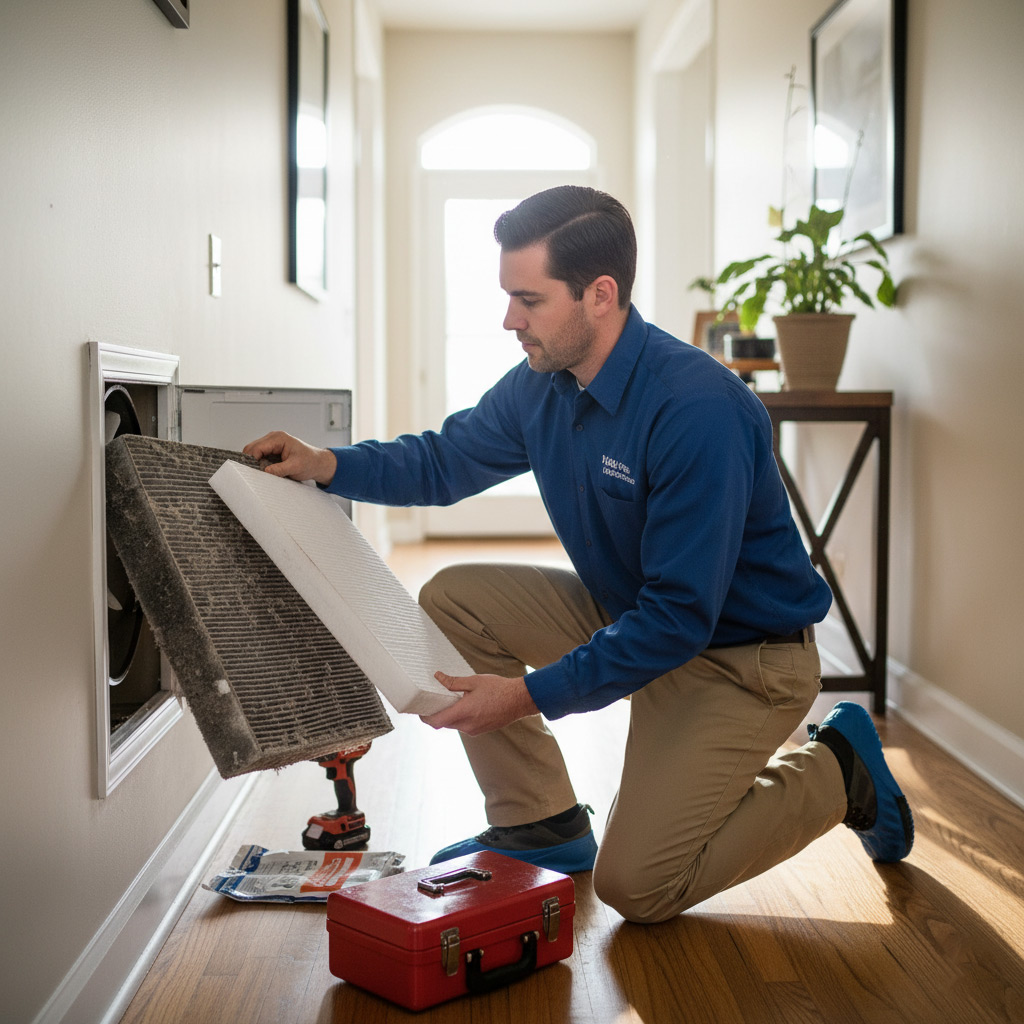
Locate the indoor air filter. If it’s dirty, replace it. A clogged filter forces the heat pump to work harder and can trigger a safety shut‑off.
After the filter swap, hit the “reset” button on the indoor unit (or turn the breaker off for 30 seconds). When power returns, listen for the compressor click— that’s a good sign.
When to Call a Licensed HVAC Technician in Pittsburgh
Red Flags You Can’t Ignore
If the unit hums but never reaches the set temperature, it’s time to pick up the phone. Repeated short‑cycling—the system turning on and off every few minutes—means the compressor is struggling.
Other tell‑tale signs include:
- Frost forming on the outdoor coil despite mild outdoor temps.
- Unusual grinding or squealing noises coming from the indoor fan.
- Water pooling around the indoor air handler.
Why a Licensed Pro Matters in Pittsburgh
Our city’s climate swings hard, and a DIY fix that works in summer can backfire in a January freeze. A licensed technician knows the local code requirements and has access to the right tools.
Choosing a certified pro guarantees:
- Proper refrigerant handling—no illegal venting.
- Warranty protection—most manufacturers void coverage after an unlicensed repair.
- Safety compliance—preventing electrical hazards that could spark a fire.
Selecting the Right Replacement Parts and Service Plans for Longevity
Choosing OEM vs. Aftermarket
When a heat pump component fails, the first decision is whether to go with the original equipment manufacturer (OEM) or a reputable aftermarket part. OEM guarantees exact fit and factory‑tested performance, which translates to fewer headaches down the road.
Aftermarket options can save money, but only if they meet the same specifications. Look for parts that carry UL certification and have a solid warranty backing.
- Match the model number exactly.
- Check the material grade – copper coils beat aluminum every time.
- Verify the seal integrity – a leaky refrigerant line kills efficiency.
Service Plans That Pay for Themselves
Most Pittsburgh homeowners think a service plan is an extra expense, but a well‑structured agreement can actually cut costs by up to 30% over three years. The trick is to lock in a schedule that hits the sweet spot between preventive care and emergency calls.
Look for plans that include:
- Annual performance tune‑ups before the heating season.
- Priority dispatch when the temperature drops below 32°F.
- Discounted labor on parts that are already pre‑approved for your unit.
When the plan bundles parts and labor, you avoid surprise invoices and keep your heat pump humming through Pittsburgh’s swing‑season extremes.
Case Study: Restoring a Failing Heat Pump in a Historic Pittsburgh Home
When the owners of a 1905 brick rowhouse called us, the heat pump was sputtering like an old diesel engine. The unit, installed during a 1998 retrofit, was dropping to 55°F inside while the thermostat stubbornly stayed at 70°F. Winter was closing in, and the family needed a fix that wouldn’t tear the character out of their historic home.
Diagnosis & Action Plan
- Performed a full pressure test – discovered low refrigerant charge caused the coil to freeze.
- Inspected the aging capacitor; it was bulging and needed replacement.
- Checked the ductwork for leaks; a cracked vent in the attic was letting warm air escape.
- Recommended a high‑efficiency scroll compressor that fits the existing footprint.
We ordered a OEM‑approved compressor, swapped the capacitor, and sealed the duct breach with foil‑backed tape. The technician calibrated the system, set the new refrigerant level, and ran a 48‑hour performance test. The house warmed up to a steady 71°F within an hour, and the unit ran quietly for the first time in years.
Result & Takeaways
The homeowners saved over $2,000 by avoiding a full replacement, and the historic integrity of the home stayed intact. Key lesson: a targeted repair—right parts, proper charge, and a quick duct fix—can revive a decades‑old heat pump even in a century‑old structure. Regular maintenance now keeps the system humming through Pittsburgh’s swing‑season extremes.
Final Words
When the heat pump finally hums back to life, you’ll feel the difference instantly—warm air where there was frost, and a bill that doesn’t make you wince. Don’t wait for the next freeze to discover a problem; a quick check‑up now saves you from a costly emergency later.
What to Keep on Your Radar
- Schedule a professional tune‑up before the first hard freeze.
- Swap out worn filters every 30‑45 days during peak seasons.
- Keep an eye on the outdoor unit; debris and snow are silent killers.
Need a trusted partner who knows Pittsburgh’s quirks? Our team lives and works in the same neighborhoods, so we understand the local climate like the back of our hand. From historic row houses to modern condos, we’ve got the parts, the plans, and the know‑how to keep your heat pump running smooth. Check out our full range of services under the Heat Pump Repair category and let us handle the heavy lifting.
People Also Ask
How much does heat pump repair typically cost in Pittsburgh?
Heat pump repair in Pittsburgh usually ranges from $150 to $600, depending on the issue and parts needed. Labor rates and the complexity of the problem can push the price toward the higher end of the range.What are the most common heat pump problems in Pittsburgh’s climate?
The most frequent issues are refrigerant leaks, frozen coils, and failing compressors caused by extreme temperature swings. Poor airflow from clogged filters or ductwork also leads to reduced efficiency.Can I service my heat pump myself before calling a professional?
Yes, you can check and replace the air filter, clear debris around the outdoor unit, and reset the thermostat. However, electrical or refrigerant work should be left to a licensed HVAC technician.How often should a Pittsburgh homeowner schedule heat pump maintenance?
Schedule professional maintenance at least twice a year—once before the heating season and once before the cooling season. Regular tune‑ups help catch wear early and keep the system running efficiently.Is it worth replacing a failing heat pump with a newer model?
If the unit is over 10‑12 years old and requires frequent repairs, upgrading can improve energy efficiency and lower utility bills. Newer models also qualify for rebates and tax incentives in Pennsylvania.
Pittsburgh HVAC brings over 20 years of heating and cooling expertise to the Steel City, delivering reliable service to homes and businesses. Their team of certified technicians understands the unique climate challenges of western Pennsylvania and tailors solutions to keep indoor comfort consistent year‑round. Committed to local service, they prioritize quick response times and transparent communication for every project.
Need HVAC?
We deliver efficient solutions and rapid results to clients across Pittsburgh, PA and surrounding areas (15201, 15219, 15237) by streamlining processes and leveraging expertise. Our team drives progress and achieves outcomes quickly and effectively.
Request a Detailed Quote