
If your AC conked out on a sweltering July night in the Steel City, you know the panic that hits faster than a downtown traffic jam. The heat doesn’t just make you uncomfortable—it can turn your home into a sauna and your wallet into a black hole.
What most Pittsburgh residents don’t realize is that the city’s unique climate and aging infrastructure hide a handful of repair tricks that only seasoned pros know. From the way the Allegheny River’s humidity sneaks into your ducts to the hidden wear points on older units, these insider moves can save you time, money, and a whole lot of sweat.
Ready to uncover the shortcuts that keep your cool when the mercury spikes? Keep reading and you’ll discover the exact steps to get your system humming again without the usual headache.
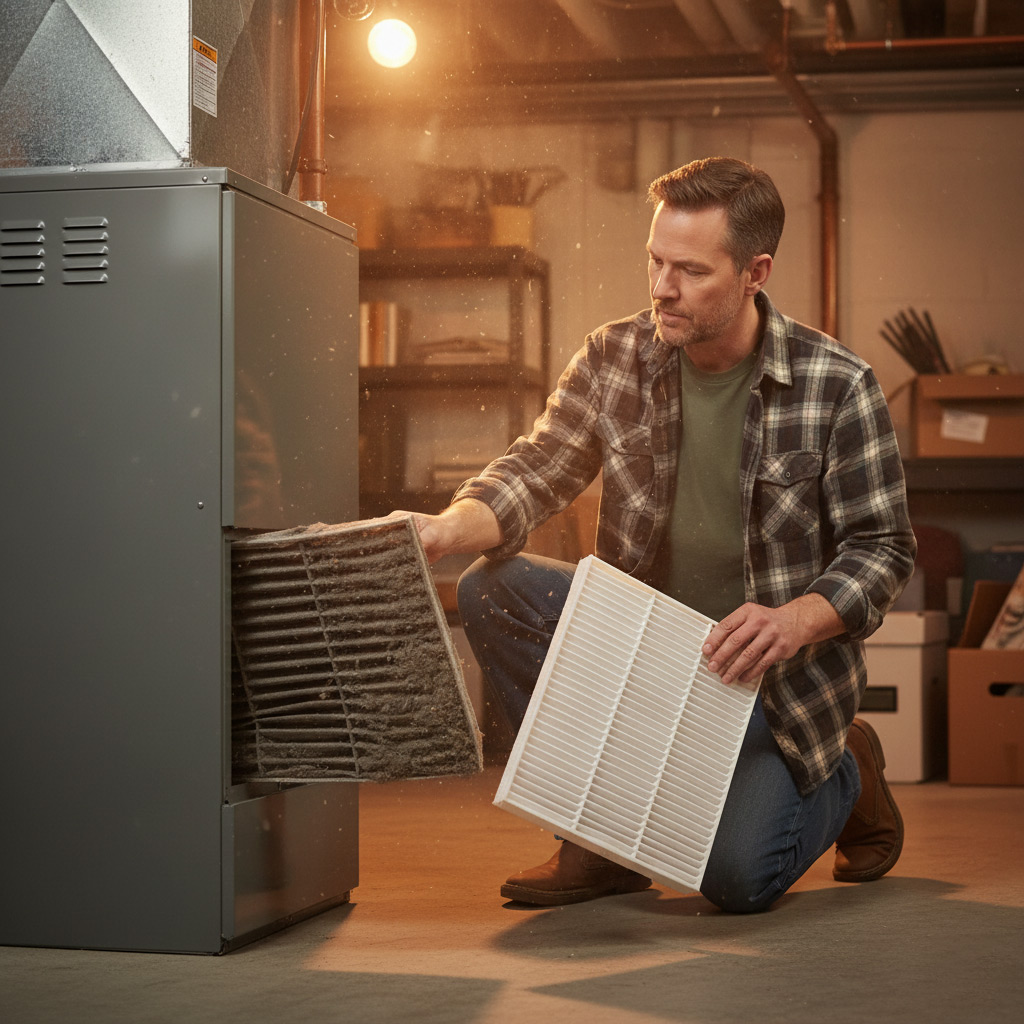
How Pittsburgh’s Seasonal Shifts Stress Your Air Conditioner
When spring rolls in, the temperature swings from a crisp 45°F to a blistering 80°F in a single afternoon. Your AC suddenly goes from idle to full‑blast, and that rapid jump forces the compressor to work harder than a steel‑mill shift. The result? Premature wear, higher electricity bills, and a system that’s begging for a break.
What the weather does to your unit
- Thermal shock – sudden heat spikes cause metal expansion, tightening tolerances inside the coil.
- Humidity spikes – the Allegheny River pumps moisture into the air, making the evaporator work overtime to pull water out.
- Frequent on/off cycles – short, hot days trigger the thermostat to cycle rapidly, stressing the start‑up capacitor.
Summer in the Steel City isn’t just hot; it’s humid, it’s windy, and it’s unpredictable. Those gusts push dust and pollen straight into your outdoor condenser, coating the fins like a thin layer of grime. When the fins can’t shed heat, the refrigerant temperature climbs, and the system throttles back to protect itself.
Then fall arrives, and the temperature drops just as fast as it rose. The AC now has to fight condensation that can freeze the coil, leading to ice buildup and reduced airflow. If you ignore the warning signs, you’ll end up with a costly repair that could have been avoided with a little seasonal foresight.
The Top Hidden Faults in Aging Steel City HVAC Systems
In Pittsburgh, a 15‑year‑old unit has seen more snow, rain, and river fog than most people. That exposure breeds corroded copper coils that lose heat‑exchange efficiency, and rust‑spotted steel frames that wobble when the compressor kicks on. When the coils are fouled, the system works harder, the electric bill climbs, and you’re left sweating before the summer even starts.
Electrical Gremlins You Can’t See
Old wiring is a silent saboteur. Heat‑resistant insulation degrades, creating tiny hot spots that trip breakers or, worse, spark a fire. The thermostat’s sensor can drift, sending the fan into a perpetual “on” mode while the compressor stays idle.
- Loose connections at the control board – a simple twist can restore proper voltage.
- Worn‑out start capacitor – it’s cheap, but a dead one makes the compressor sound like a dying motor.
- Frayed relay contacts – replace them before they cause intermittent shutdowns.
Ductwork Dilemmas Hidden Behind the Walls
Most Pittsburgh homes have ductwork that’s been patched, insulated, and re‑routed over decades. Gaps where the ducts meet the attic let in river‑driven humidity, turning metal ducts into condensation traps. That moisture fuels mold, which clogs the airflow and spreads a musty smell throughout the house.
- Inspect for unsealed joints near the basement slab – a quick foil tape fix can save thousands in energy loss.
- Check for crushed or kinked sections in the crawlspace – they create pressure drops that force the fan to overwork.
- Look for rusted metal elbows – replace with insulated PVC to keep the air dry and the system humming.
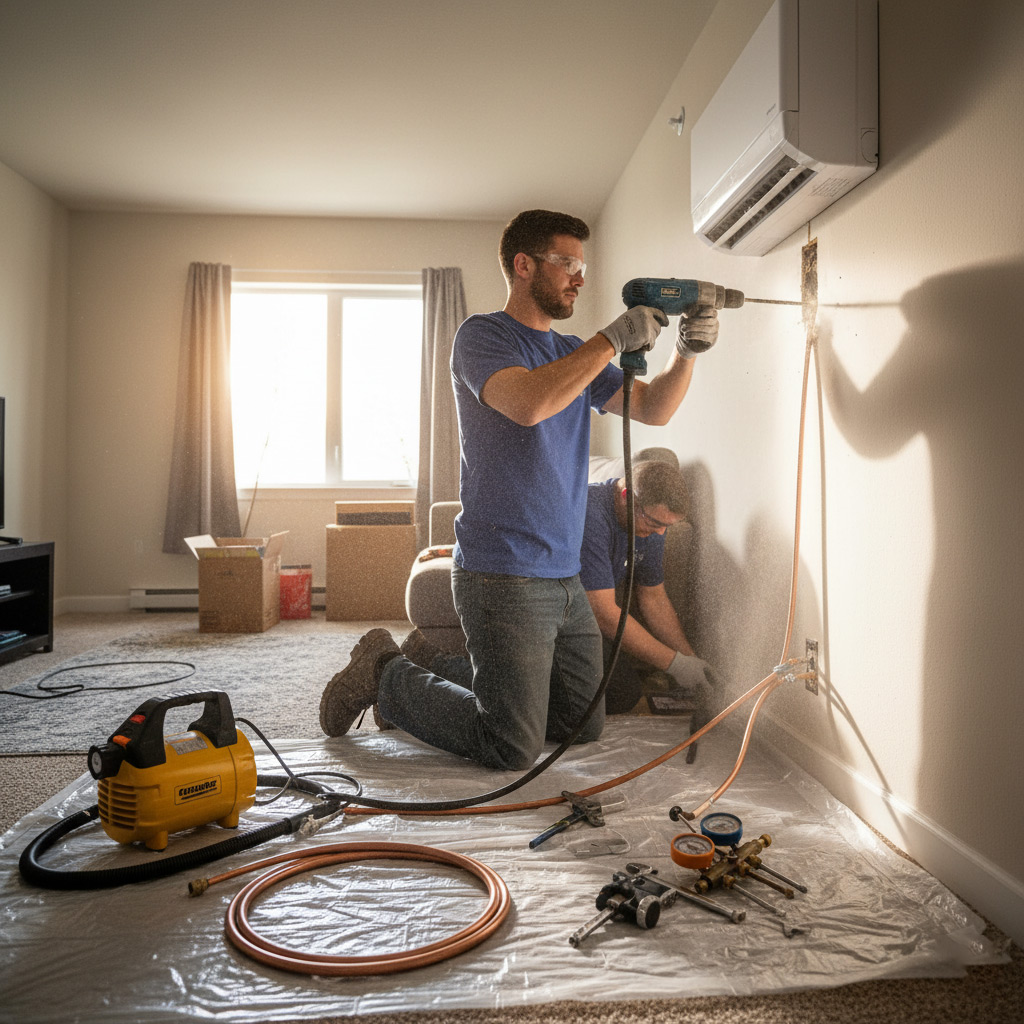
DIY Diagnostic Checklist: Spotting Trouble Before It Escalates
Step‑by‑Step Visual Scan
Before you call a tech, walk around the unit and look for the obvious. Dirty coils are a red flag—if they look brownish, they’re choking the airflow. Check the outdoor fan for debris; a few leaves can turn a healthy system into a sluggish one.- Inspect the condensate drain line for clogs; a slow drip means water is backing up.
- Look at the thermostat glass—condensation on the inside signals a humidity problem.
- Make sure all vents are open and unobstructed; furniture or curtains can cut cooling by up to 30%.
Listen & Feel
Turn the AC on low and pay attention to the sounds. A high‑pitched squeal often means a loose belt, while a thumping noise points to a failing compressor. Run your hand near the supply registers; if the air feels weak, the blower motor might be on its last legs.- Click the thermostat up a few degrees; if the unit doesn’t respond, the control board could be fried.
- Check for a musty odor—mold in the ducts is a sign of excess moisture.
- Feel the refrigerant lines; they should be cool to the touch, not icy.
Quick Power Test
Safety first: shut off the breaker, then flip the disconnect switch near the outdoor unit. Wait 30 seconds, then restore power and watch the startup sequence. If the fan spins but the compressor never kicks in, you’re likely looking at a capacitor or overload issue.- Measure voltage at the service panel; you should see 240 V on each leg.
- Swap the thermostat batteries; a weak battery can masquerade as a system failure.
- Note any error codes on the indoor unit’s display; they’re the system’s way of shouting for help.
Pro‑Level Repair Hacks: Cleaning, Sealing, and Component Swaps
Coil & Fan Deep Clean
Dust and pollen coat the evaporator coil like a second skin, forcing the motor to work overtime. Give the coil a gentle brush‑off, then spray a no‑rinse coil cleaner and let it fizz away the grime.
- Turn off power, remove the access panel, and use a soft‑bristle brush.
- Apply cleaner, wait 5‑10 minutes, then rinse with a garden hose on low pressure.
- Wipe the fan blades with a damp cloth; a clean fan spins smoother and cuts electricity use.
Seal the Leaks Before They Leak Your Money
Older ductwork in Pittsburgh homes often has tiny gaps that let humid river air sneak in. Seal them fast with foil‑backed mastic or UL‑rated duct tape—no shortcuts.
- Locate leaks with a handheld smoke pencil or a simple incense stick.
- Apply mastic with a putty knife; smooth it out for a tight seal.
- Wrap high‑traffic joints with foil tape for extra durability.
Component Swaps That Save You From a Call‑Out
When a unit hums but never cools, the culprit is usually a weak capacitor or a burnt‑out contactor. Swap them yourself and you’ll avoid a $300‑plus service fee.
- Capacitor: match microfarad rating, discharge safely, replace in seconds.
- Contactor: look for pitted contacts, replace with the exact OEM part number.
- Refrigerant line: check for oil stains; a quick line‑set swap restores pressure balance.

Managing River‑Driven Humidity and Ductwork Performance
Why River Humidity Matters
The Allegheny River pours moisture into the air, especially in late summer and early fall. That extra humidity loves to settle in your ducts, turning them into a breeding ground for mold and stale smells. When the air is soggy, your AC has to work harder to pull the same amount of cool air through the house.
- Condensation builds up on metal surfaces inside the ductwork.
- Moisture attracts dust, which clogs registers and reduces airflow.
- Stagnant, damp air can trigger allergic reactions for occupants.
Practical Steps to Keep Ducts Dry
Seal every joint and crack before the next humidity spike. A simple sheet‑metal tape or foil‑backed mastic can stop water from sneaking in. Insulating the ducts with a vapor‑barrier wrap also keeps the cool side from sweating.
- Check the attic for roof leaks; water often drips down into the duct run.
- Install a whole‑home dehumidifier set to 45‑50°F for the most humid months.
- Replace old, porous fiberglass insulation with rigid foam that resists moisture.
Routine Checks That Pay Off
Schedule a visual inspection of the duct interior at least twice a year. Look for black spots, a musty odor, or any water stains. If you spot anything, clean the affected section with a non‑abrasive brush and a mild detergent, then let it dry completely before sealing.
- Run the fan on low for 15 minutes after each cleaning to dry residual moisture.
- Consider UV‑light air purifiers; they kill mold spores without chemicals.
- Keep the thermostat set a few degrees higher during peak humidity to reduce strain.
Case Study: Reviving a 20‑Year‑Old Split System in a Downtown Condo
The Situation
When the condo’s thermostat hit 78°F on a July night, the unit sputtered and died. The owners were stuck with a 20‑year‑old split system that had seen more snow than sunshine.
- Age: Two decades of service, original refrigerant, and a corroded copper line.
- Location: Narrow hallway, limited clearance for service trucks.
- Symptoms: Weak airflow, occasional freezing on the indoor coil, and a humming sound that sounded like a dying engine.
The Diagnosis
Our techs pulled the unit apart and found three culprits that most DIYers miss.
- Leaky **refrigerant charge** – the pipe had a pinhole near the river‑side wall.
- Clogged **evaporator coil** – dust and pollen built up over the years, choking the heat exchange.
- Worn **capacitor** – the motor struggled to start, causing the humming.
The Fix
We tackled each problem with a mix of old‑school know‑how and modern parts.
- Repaired the copper line with a soldered splice and re‑charged the system to the manufacturer’s specs.
- Deep‑cleaned the coil using a low‑foam coil cleaner, then rinsed with a garden hose to flush out debris.
- Swapped the busted capacitor for a high‑efficiency model, restoring proper motor torque.
- Added a protective UV‑coated sleeve around the outdoor condenser to guard against river‑driven humidity.
Final Words
When the heat hits its peak, you don’t have time to guess what’s wrong with your unit. Take control now—run a quick visual sweep, check the thermostat, and listen for odd noises before the problem snowballs.
Next Move
- Turn off the power and inspect the outdoor coil for debris.
- Swap out the air filter; a clean filter can restore up to 15% efficiency.
- Seal any visible duct leaks with foil-backed tape.
- Schedule a professional tune‑up before the next cooling season.
If you hit a snag, don’t wrestle with the compressor yourself. Call a local tech who knows the Steel City’s quirks, and ask about our AC repair services.
People Also Ask
What are the most common signs that my Pittsburgh AC needs repair?
A sudden loss of cooling, unusual noises, or a spike in energy bills usually indicate a problem. Frequent cycling or warm air blowing from vents are also red flags.How does Pittsburgh’s humidity affect AC performance?
High river‑driven humidity forces the unit to work harder to remove moisture, which can overload the compressor. Proper dehumidification and sealed ducts help maintain efficiency.Can I safely clean my AC coils myself?
Yes, you can gently clean the coils with a soft brush and a coil‑safe cleaner, but avoid harsh chemicals. Always turn off power before starting and inspect for bent fins.What hidden faults develop in older Steel City HVAC systems?
Corroded copper lines, failing capacitors, and worn-out fan belts are typical in aging units. These issues often go unnoticed until they cause a complete system shutdown.When should I call a professional instead of DIY troubleshooting?
If you encounter refrigerant leaks, electrical component failures, or the unit still won’t cool after basic checks, it’s time for a licensed technician. Attempting complex repairs without proper tools can void warranties and cause safety hazards.
Pittsburgh HVAC brings over 20 years of heating and cooling expertise to the Steel City, delivering reliable service to homes and businesses. Their team of certified technicians understands the unique climate challenges of western Pennsylvania and tailors solutions to keep indoor comfort consistent year‑round. Committed to local service, they prioritize quick response times and transparent communication for every project.
Need HVAC?
We deliver efficient solutions and rapid results to clients across Pittsburgh, PA and surrounding areas (15201, 15219, 15237) by streamlining processes and leveraging expertise. Our team drives progress and achieves outcomes quickly and effectively.
Request a Detailed Quote