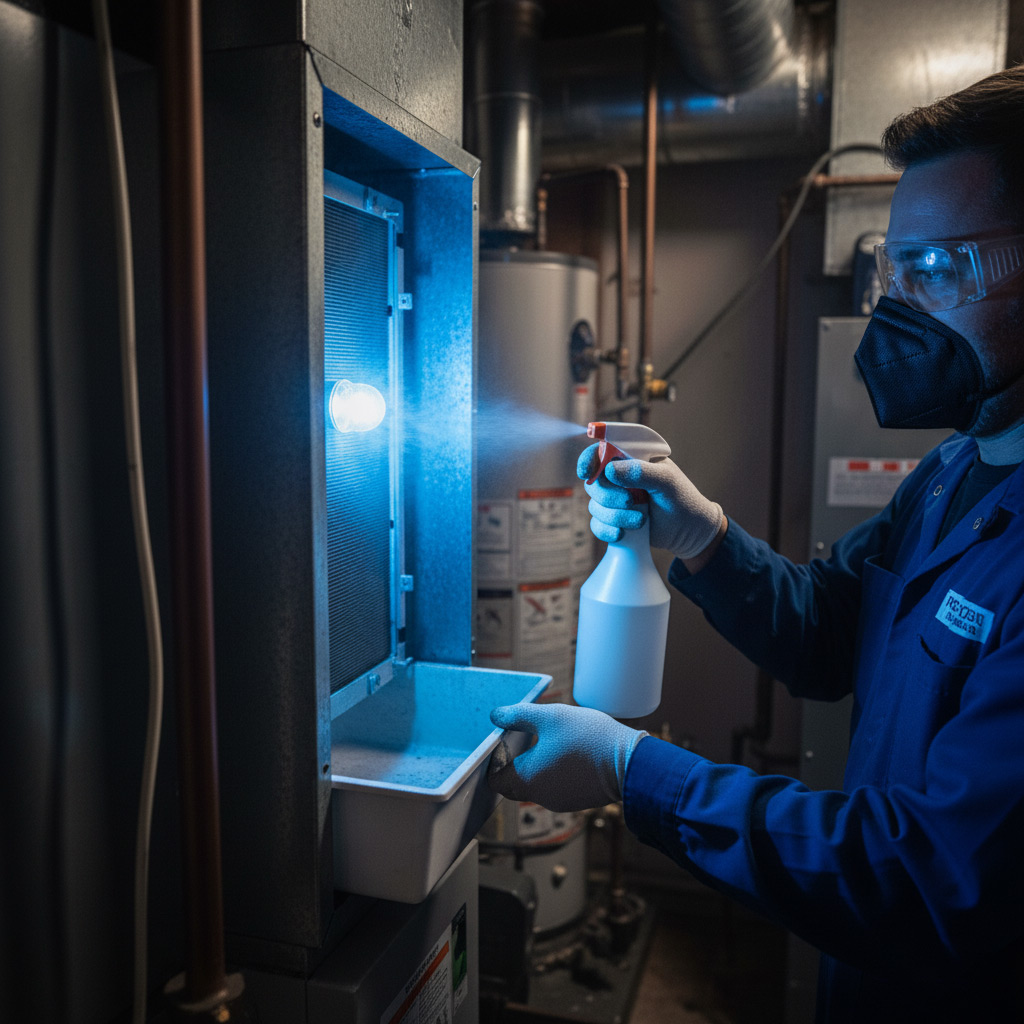
If you think blasting the thermostat to 78 °F will magically melt the chill out of a Pittsburgh winter, you’re about to learn why that myth burns a hole in your wallet.
Most homeowners make the same three rookie moves: letting the furnace filter choke, ignoring the little “service due” light, and trying to DIY a fix that belongs in a pro’s toolbox. Those shortcuts turn a mild inconvenience into a full‑blown emergency faster than a snowstorm hits the Strip District.
Stick around and we’ll expose the hidden costs of these blunders, then hand you the exact steps to keep your heat humming all season long. Ready to stop the heat‑hustle and save some serious cash? Let’s dive in.
The Real Financial Impact of Over‑Setting Your Thermostat
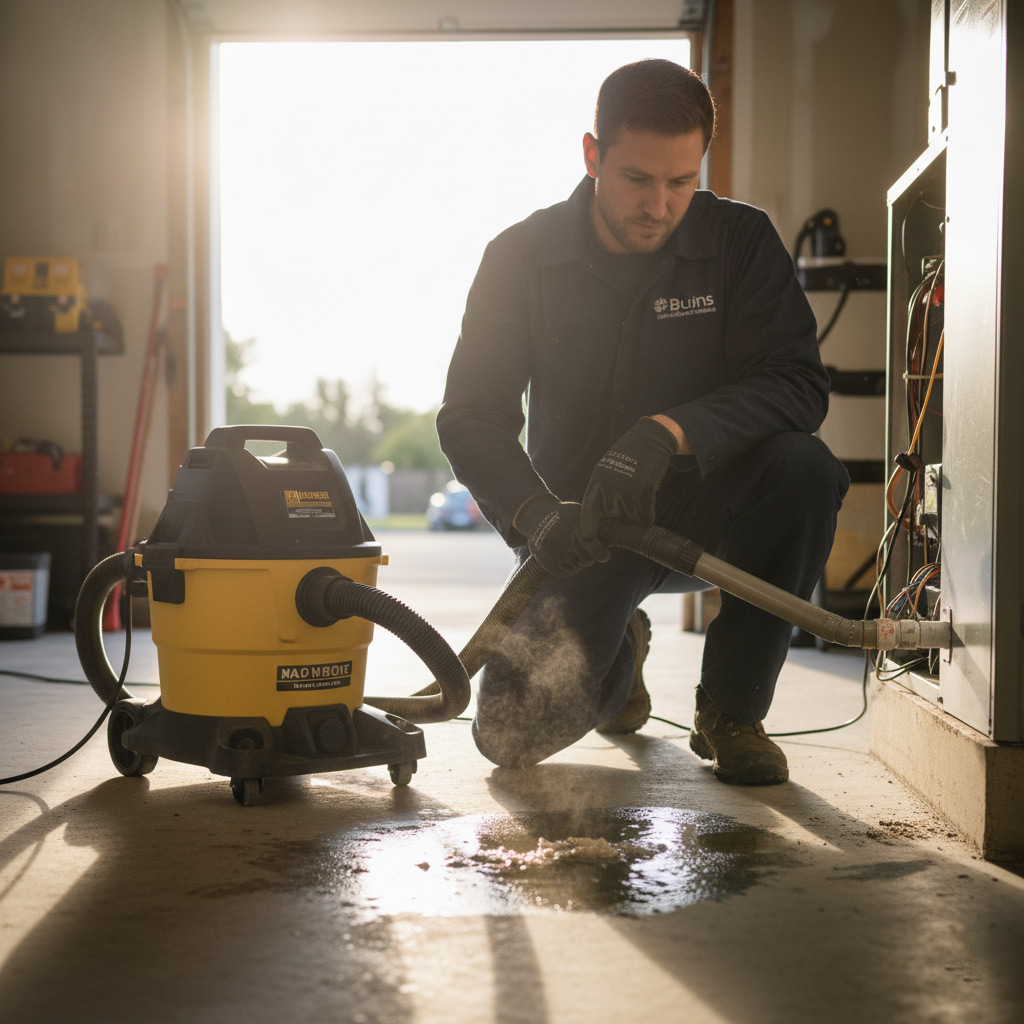
Cranking the dial to 78 °F in a Pittsburgh winter feels good for a minute, then your electric bill screams “nope.” Your furnace works harder, burns more fuel, and the extra load shows up as a noticeable spike on the monthly statement. The myth that “more heat = faster warmth” is just that—a myth.
What the meter really sees
- Every degree above 68 °F can add up to 3‑5% to your heating costs.
- Older furnaces lose efficiency faster, so the penalty is steeper.
- Short‑cycling caused by an over‑set thermostat wears out components, leading to premature repairs.
Take a typical three‑bedroom home in the Steel City: set the thermostat at 78 °F for a week, and you could be looking at an extra $150–$200 in fuel costs. That’s money that could cover a new filter, a professional tune‑up, or even a weekend getaway. The bottom line? A few degrees saved equals real cash in your pocket.
Clogged Furnace Filters: Why They’re the Silent Energy Thieves
Think of your furnace filter as the lungs of your heating system. When it’s clean, air flows freely, the furnace works at its sweet spot, and your utility bill stays reasonable. Let it get dirty, and the furnace has to gulp harder, burning extra fuel for the same warmth.
Red flags you can’t afford to ignore
- Reduced airflow – you’ll feel a weak draft from vents.
- Higher energy bills – the furnace runs longer to reach the set temperature.
- Frequent short‑cycling – the unit turns on and off more often than normal.
Each of these symptoms is a warning that the filter is choking the system. The longer you wait, the more the furnace’s motor strains, and the sooner you’ll face costly repairs.
What happens when you ignore a clogged filter?
Dust builds up on the heat exchanger, reducing its ability to transfer heat. The furnace’s blower motor works overtime, which can overheat and fail. In worst‑case scenarios, a clogged filter can cause the furnace to shut down entirely, leaving you in the cold and staring at a repair invoice that could easily have been avoided.
Ignoring the “Service Due” Light: Missed Alerts That Lead to Major Repairs
What the Light Is Trying to Tell You
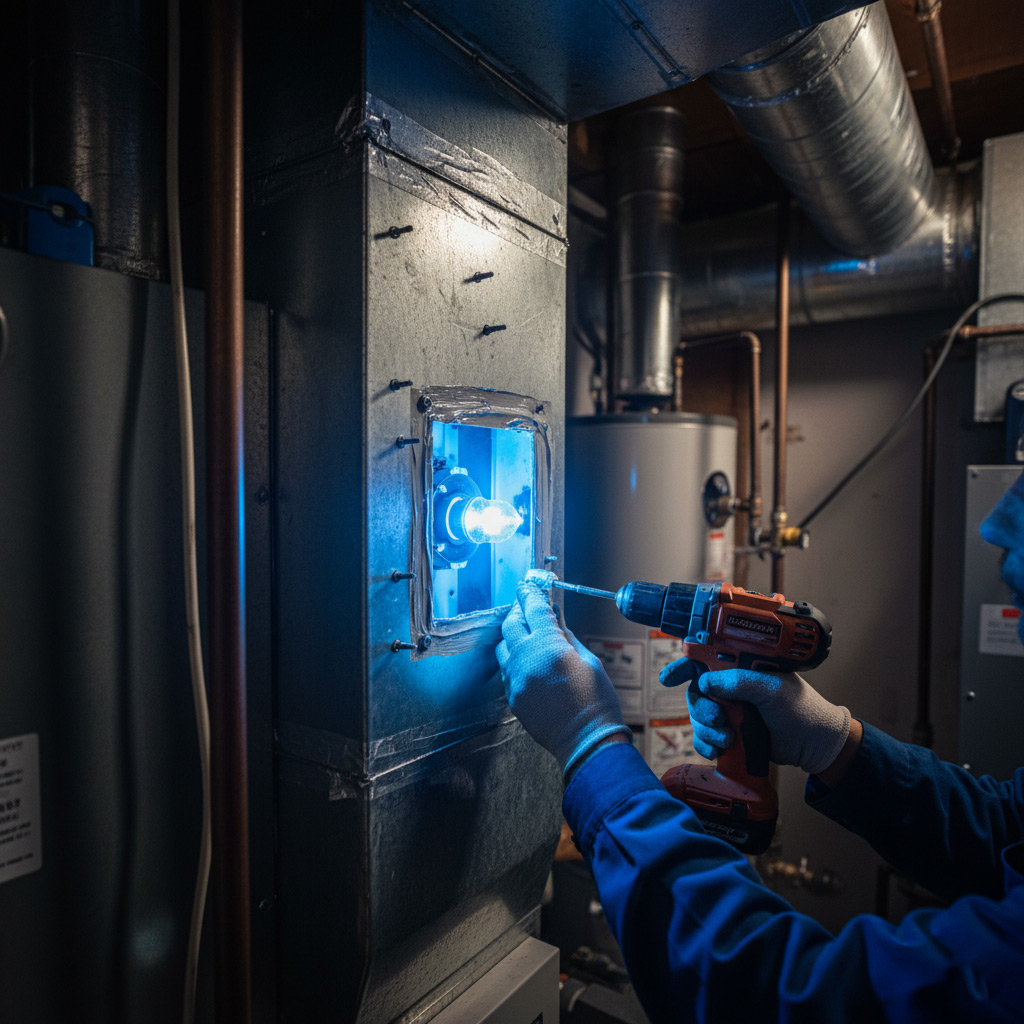
That tiny amber LED on your furnace isn’t just for show—it’s the system’s way of saying, “Hey, I need a check‑up before I quit on you.” When it flashes, the heat exchanger is probably gathering grime, the blower motor is getting tired, or a sensor is out of calibration. In Pittsburgh’s freeze‑heavy months, a neglected alert can turn a modest repair into a full‑blown furnace replacement.
Your Action Plan When the Light Comes On
Don’t wait for a cold night to discover the problem. Follow these three quick steps:
- Schedule a professional inspection within 48 hours. A certified tech can read the diagnostic codes and clean the components before they seize.
- Check the filter and replace it if it’s dirty. A clean filter reduces strain and often resets the service timer.
- Log the date and any symptoms (odd noises, uneven heat) in a simple notebook or app. That record speeds up the technician’s diagnosis.
Skipping this routine is a gamble. One homeowner ignored the light for six months, and the furnace’s heat exchanger cracked, costing over $4,000 in repairs. Regular attention to that little light saves you both time and a hefty bill.
DIY Fixes That Cost More: When to Call a Professional HVAC Technician
We get it—your toolbox looks like a treasure chest and the thermostat is flashing “error.” The urge to yank a wire or slap on a new belt feels cheap and heroic. But a half‑done repair can turn a $150 fix into a $2,000 nightmare when the furnace decides to quit mid‑winter.
Red flags that scream “call the pros”
- Furnace won’t ignite or makes a loud “whoosh” before stopping.
- Unusual smells—rotten eggs, burning plastic, or a sweet chemical odor.
- Repeated short‑cycling after you’ve cleaned the filter.
- Any electrical component that’s hot to the touch.
- Persistent error codes that don’t disappear after a reset.
When you see any of those, stop the DIY and pick up the phone. A certified technician has the tools to test gas pressure, check flame sensors, and verify wiring safety—all things a homeowner’s screwdriver can’t handle. The price of a service call is a drop in the bucket compared to a blown heat exchanger or a brand‑new furnace replacement.
Think of it this way: a $200 professional tune‑up now saves you from a $3,000 emergency later. It’s not about pride; it’s about protecting your wallet and keeping the house warm when the snow piles up outside the Strip District.
Seasonal Maintenance Checklist: Pro Tips to Keep Your Heat Running Efficiently
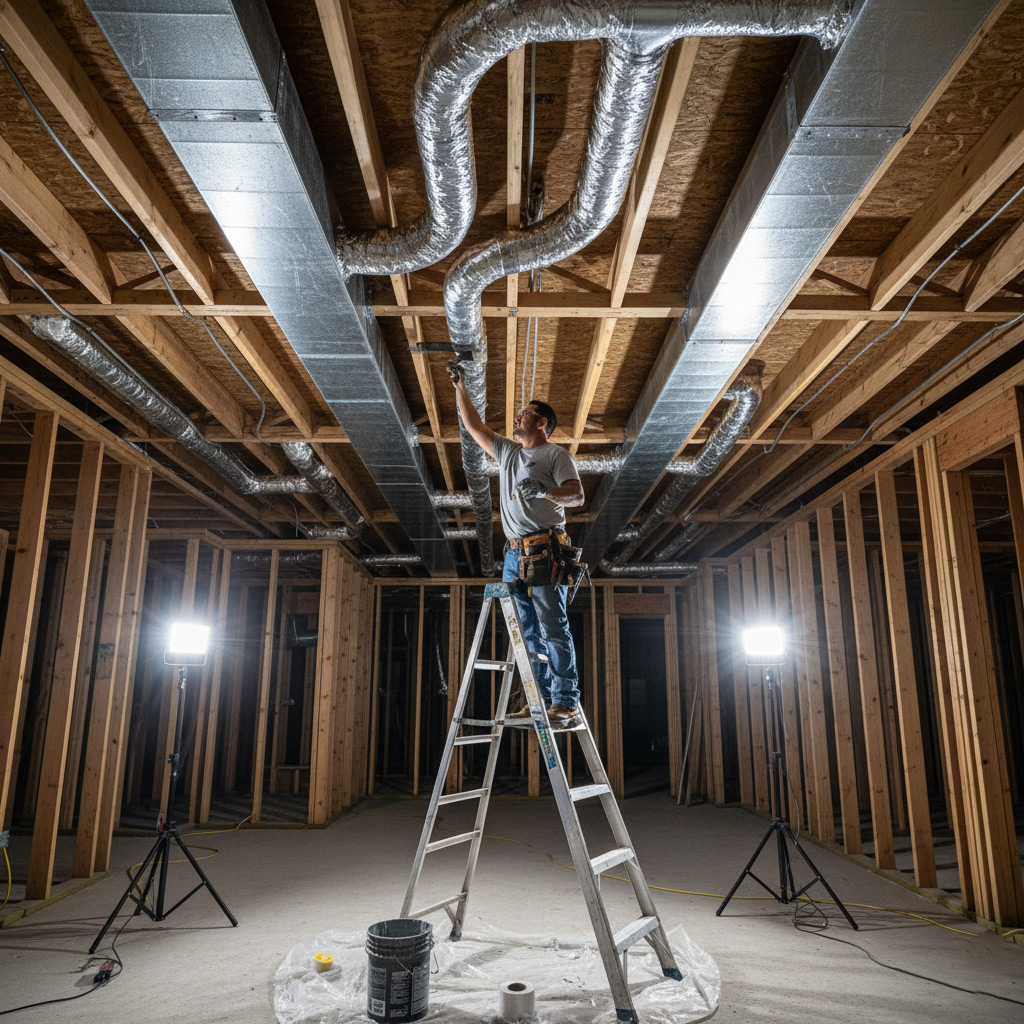
Think of your furnace like a classic steel horse—regular grooming keeps it from breaking down when the cold hits. Follow this simple roadmap and you’ll dodge the pricey repairs that most Pittsburgh families face every winter.
Fall Prep
- Swap the filter – a clean 1‑inch filter can shave 5‑10% off your energy bill.
- Inspect the blower motor for dust buildup; a quick vacuum does wonders.
- Test the thermostat – replace batteries and verify it’s set to “heat” mode.
Give the exterior unit a once‑over. Clear leaves, snow, and debris from the intake grill so the furnace can breathe easy.
Winter Ready
- Run the furnace for 5 minutes each morning; this keeps the heat exchanger from freezing.
- Check the pilot light or electronic ignition for a steady flame; flickering means a problem.
- Seal any drafts around doors and windows – every leak forces the furnace to work harder.
Schedule a professional tune‑up before the first freeze. A certified tech will calibrate the gas pressure and verify safety controls, saving you from a surprise shutdown.
Spring Reset
- Turn the thermostat down to 55 °F and let the system idle for a day – it clears out moisture.
- Replace the filter again; a fresh filter after a hard season prevents mold growth.
- Inspect the condensate drain for clogs; a simple pipe cleaner can keep water from backing up.
When you close the season with these steps, you’ll walk into the next winter with confidence and a healthier bottom line.
Case Study: How Our Team Prevented a $3,000 Furnace Failure for a Pittsburgh Homeowner
The Warning Signs
When the Miller family called, their furnace was making a low‑rumble that sounded like a distant train. They’d ignored the blinking “service due” light for months, assuming it was just a nuisance.
Our tech arrived, ran a quick diagnostic, and found a cracked heat exchanger that was on the brink of catastrophic failure. One more week of use and they’d be looking at a $3,000 repair bill.
Our Intervention
We didn’t waste time with guesswork. Within an hour we had a clear action plan and the parts on the truck.
- Replace the heat exchanger before it ruptured.
- Install a new high‑efficiency filter to restore airflow.
- Reset the service light and program a seasonal maintenance reminder.
After the swap, the furnace ran smoother than a steel‑track train. The Millers saved thousands and got peace of mind for the rest of the winter.
Final Words
Take the reins before the next freeze hits
Every winter in Pittsburgh is a test of how well you’ve tuned your furnace. Skipping a filter change or ignoring that tiny service light is like leaving your front door wide open for a cold snap.
Instead, set a reminder, grab a fresh filter, and give your system a quick check before the first snow. It’s a habit that pays off in lower bills and fewer emergency calls.
When you need a pro, we’ve got you covered
If you spot a strange smell, uneven heat, or that dreaded “service due” glow, don’t gamble. Call a certified technician who knows Pittsburgh’s quirks.
Our team specializes in Heating System Repair, and we’ll get your furnace humming before the temperature drops below zero.
- Schedule a professional inspection at least once a year.
- Replace filters every 30‑90 days, depending on usage.
- Keep the thermostat set between 68‑70 °F for optimal comfort and cost.
People Also Ask
What happens if I set my thermostat too high in Pittsburgh winters?
Setting the thermostat above 72°F forces the furnace to run longer, increasing fuel consumption and raising utility bills. It also puts extra wear on the heating system, potentially shortening its lifespan.
How often should I replace my furnace filter in Pittsburgh?
In Pittsburgh’s climate, replace the filter every 1–3 months, depending on usage and filter type. A clogged filter reduces airflow, forcing the furnace to work harder and using more energy.
Why is the “Service Due” light on my furnace important?
The light signals scheduled maintenance is overdue, which can lead to undetected issues like cracked heat exchangers. Ignoring it often results in costly repairs or premature system failure.
Can I safely perform DIY furnace repairs?
Minor tasks like cleaning vents are fine, but most repairs involve gas, electricity, or delicate components that require a licensed technician. DIY attempts can cause safety hazards and higher repair costs.
What should be on my seasonal heating maintenance checklist?
Include filter replacement, thermostat calibration, blower motor cleaning, and a professional inspection of the heat exchanger and gas lines. Following this checklist keeps the system efficient and prevents unexpected breakdowns.
Pittsburgh HVAC brings over 20 years of heating and cooling expertise to the Steel City, delivering reliable service to homes and businesses. Their team of certified technicians understands the unique climate challenges of western Pennsylvania and tailors solutions to keep indoor comfort consistent year‑round. Committed to local service, they prioritize quick response times and transparent communication for every project.
Need HVAC?
We deliver efficient solutions and rapid results to clients across Pittsburgh, PA and surrounding areas (15201, 15219, 15237) by streamlining processes and leveraging expertise. Our team drives progress and achieves outcomes quickly and effectively.
Request a Detailed Quote