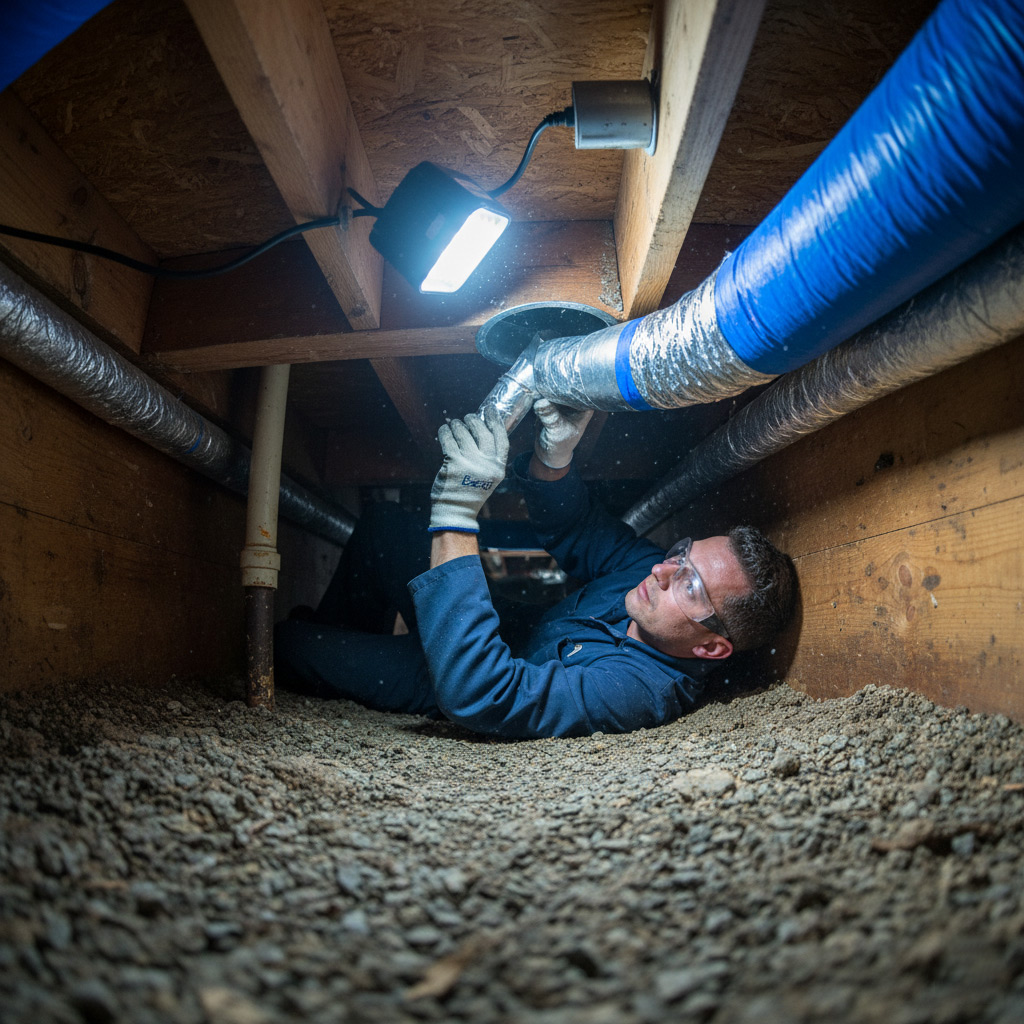
Imagine stepping into your home on a bitter Pittsburgh night and feeling a perfect, whisper‑quiet breeze that knows exactly what you need.
Pittsburgh’s swing‑season weather and those brick‑lined row houses demand a plan that does more than just blow hot or cold air. You’ll learn why duct sizing, zoning, and the right heat pump can make the difference between sweating in summer and shivering in winter.
Stick around and we’ll hand you a checklist of the must‑know moves, plus a few shortcuts pros use to keep the bill low and the comfort high. Ready to stop guessing and start designing a system that works with Pittsburgh’s quirks? Keep reading and get the playbook you’ve been waiting for.
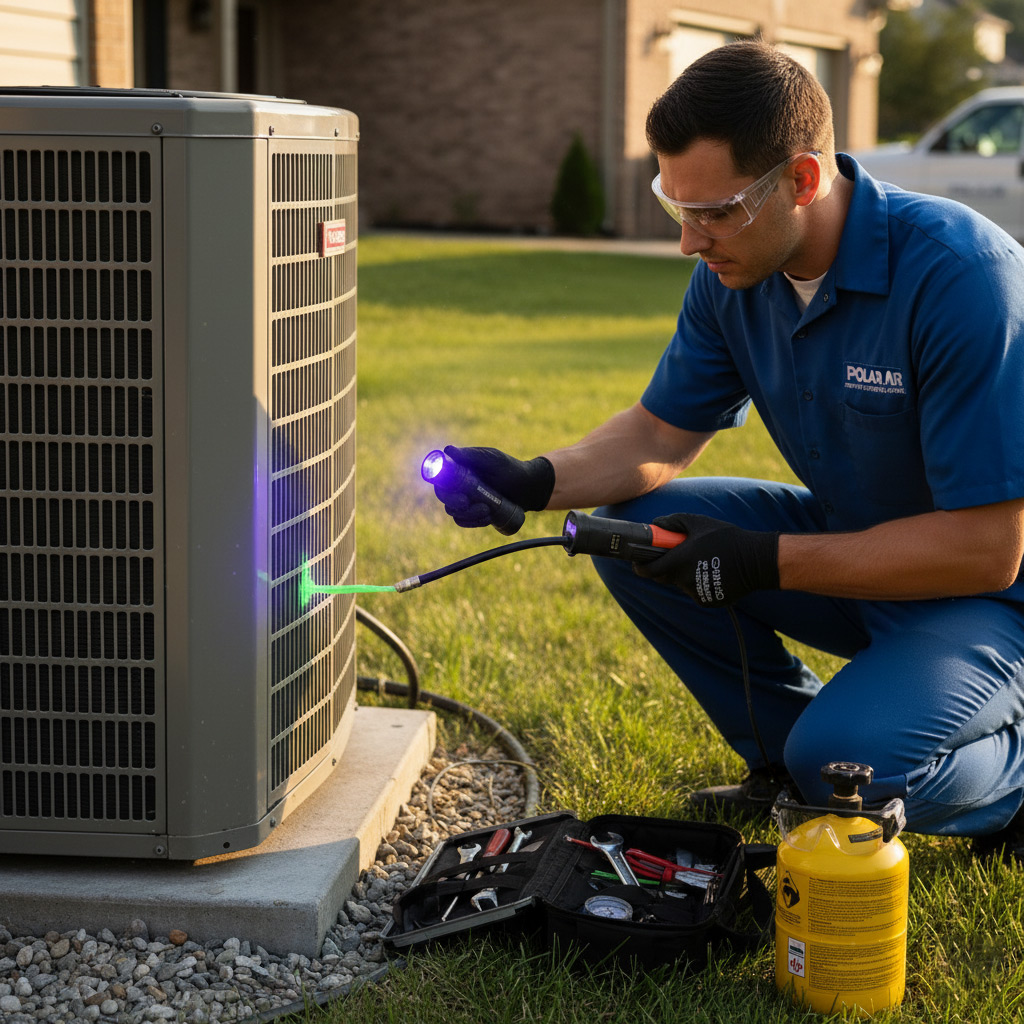
Understanding Pittsburgh’s Climate and Home Architecture
Winter in Pittsburgh can drop below zero, while summer spikes into the high 80s with humidity that sticks. Spring and fall swing fast, so your system must handle rapid temperature changes without lag. Getting the climate right is the first step to a comfortable home.
Typical Pittsburgh Home Features
Most neighborhoods are packed with brick‑faced row houses, stone foundations, and tight footprints. These structures have quirks that affect airflow and heat loss.
- Thick brick walls that store heat and release it slowly.
- Basements that stay cool year‑round, often acting as a cold sink.
- Attics with limited insulation, especially in older builds.
- Small crawl spaces that can become moisture traps.
Because of those quirks, you’ll see drafts around windows, uneven temperatures on each floor, and higher utility bills if the system isn’t sized right. Designing around the architecture means accounting for thermal mass, sealing gaps, and planning duct runs that respect the tight floor plans.
Accurate Load Calculations: Manual J, Duct Design, and Manual D
Why Manual J Matters
Before you even think about a furnace or heat pump, you need to know exactly how much heating and cooling your Pittsburgh home actually requires. Manual J does the heavy lifting – it factors in square footage, window orientation, insulation levels, and that infamous steel‑city wind chill.
Skip this step and you’ll end up with a system that’s either a hamster on a wheel or a fridge that never kicks on. The result? Sky‑high bills and a house that never feels right.
Duct Design Basics
Once the load is nailed down, the ductwork must move the right amount of air to each room. Too small, and you’ll hear whistling; too big, and you waste energy fighting static pressure.
- Measure every run – from the main trunk to the smallest branch.
- Keep turns to a minimum; each 90° bend adds resistance.
- Seal every joint with mastic, not cheap foil tape.
Manual D Checklist
Manual D translates the load numbers into a duct blueprint you can actually build. It tells you the exact diameter, length, and material for each section.
Follow this quick cheat sheet and you’ll avoid the common pitfalls that make older Pittsburgh homes feel drafty or stuffy:
- Use rigid metal where space allows – it holds shape better than flex.
- Balance the system with adjustable dampers after installation.
- Run a final airflow test; you should see 400‑ft³/min per ton of cooling.
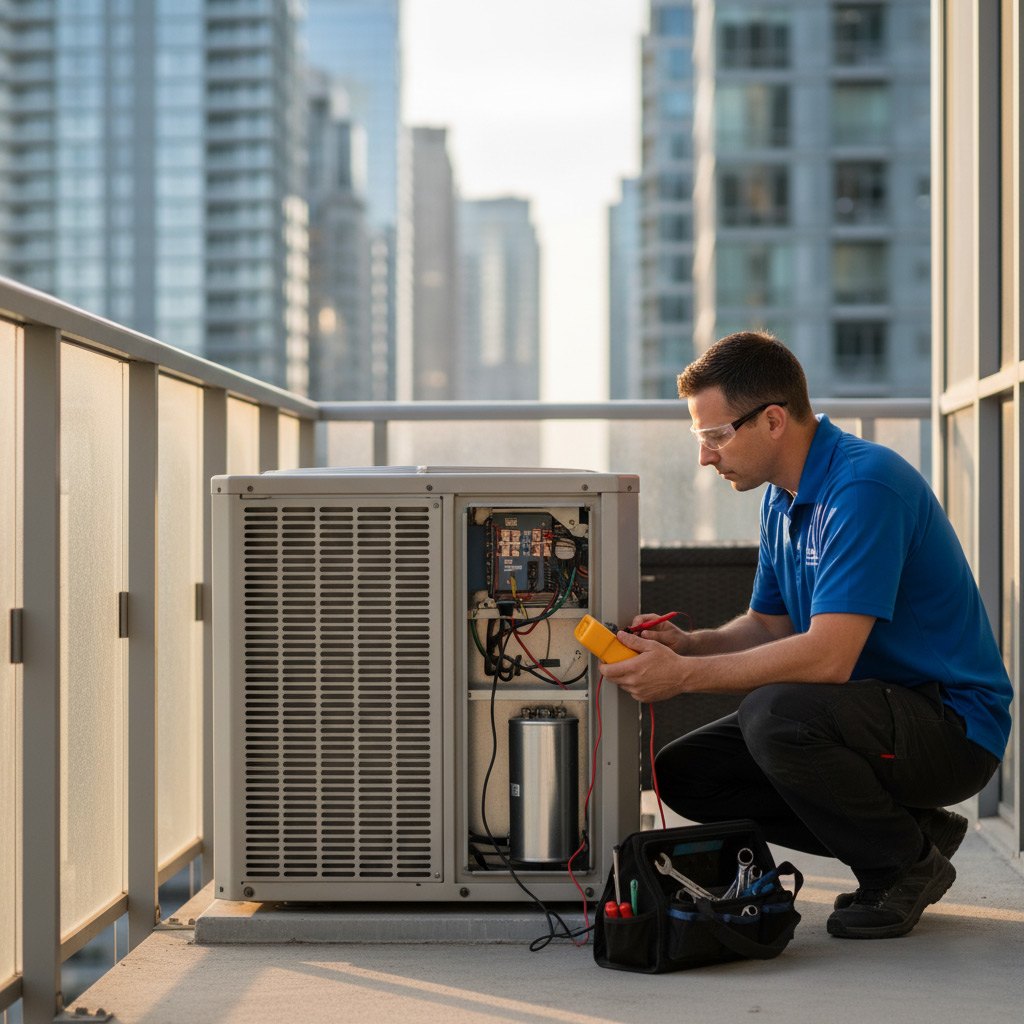
Zoning Strategies for Multi‑Story Row Homes
Why Zoning Matters
In a typical Pittsburgh row house, the heat rises and the cold settles in the lower levels. One thermostat for the whole house is a recipe for wasted energy and uneven comfort. Separate zones let each floor breathe on its own terms, so you’re not heating an empty attic while the basement shivers.
Smart Layout for Row‑House Floors
Start with a zone per floor, then split the larger levels into east‑west wings if the sun hits one side harder. Thermostats should live where people spend most of their time – think living room on the main floor, bedroom on the second. Keep the control panel away from drafts and direct sunlight for accurate readings.
- Basement: dedicated zone for laundry, workshop, and any unfinished space.
- Main floor: living room, kitchen, and hallway share a zone.
- Upper floor: bedrooms and bathroom get their own zone.
- Optional: add a “sunroom” zone if you have a glass‑enclosed space.
Control Options That Pay Off
Motorized dampers in the ductwork let you open or close zones with a click. Pair them with a Wi‑Fi thermostat and you can tweak each zone from your phone while sipping a coffee at the corner café. Automation isn’t a gimmick – it trims the bill and keeps every room at the temperature you actually want.
Choosing the Right HVAC Equipment: Heat Pumps, Furnaces, and Boilers
Before you pick a unit, ask yourself what the house actually needs. Is the goal to keep a 1900‑era brick row home warm without blowing dust? Or do you want a sleek system that can handle both heating and cooling with a single outdoor box? The answer will steer you toward a heat pump, a furnace, or a boiler.
Heat Pumps vs. Furnaces vs. Boilers
- Heat Pumps – Great for moderate winters, they pull heat from the air (or ground) and reverse it for cooling. Low‑run costs, but efficiency drops when temps dip below 20°F.
- Furnaces – Natural gas or propane units deliver quick, powerful heat. Ideal for Pittsburgh’s bone‑chilling nights, yet they need a separate AC for summer.
- Boilers – Perfect for radiant floor or baseboard heat, they provide steady warmth without blowing air. Installation is pricier, and you’ll still need a separate cooling solution.
Match the equipment to your home’s layout and budget. If you have a historic brick façade with limited wall space, a compact air‑source heat pump can hide in the attic. For a multi‑story row house with heavy insulation, a high‑efficiency furnace paired with a smart thermostat will keep every floor comfortable. And if you love the feel of warm floors on a frosty evening, a boiler‑driven radiant system is the way to go.
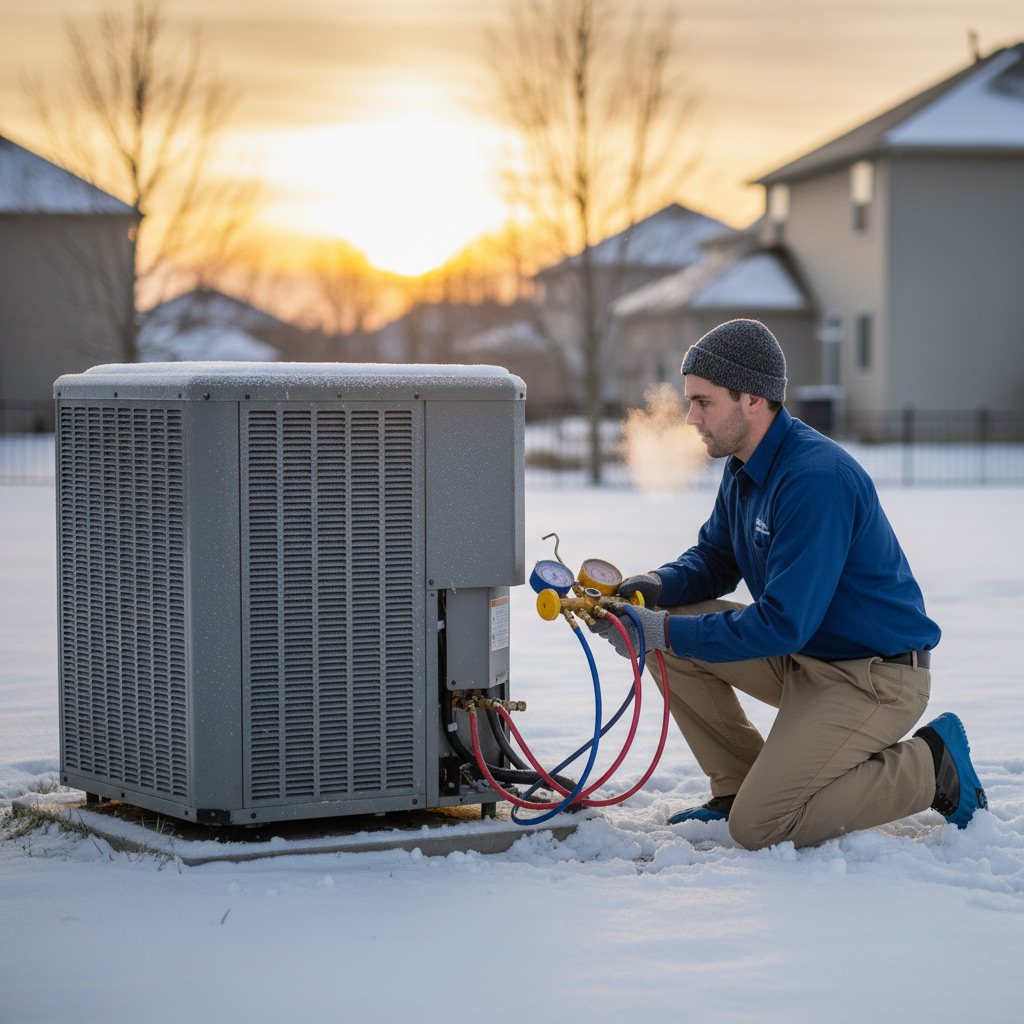
Energy‑Efficient Ductwork and Airflow Optimization
Seal the Leaks, Keep the Flow
Every crack in a duct is a money‑leak. In a Pittsburgh row house, a single unsealed joint can waste up to 30 % of your heating output. Grab a high‑quality foil‑backed tape or mastic, and seal every connection from the furnace to the farthest vent. It’s a cheap fix that pays for itself in weeks.
Right‑Size the Ducts, Right‑Size the Comfort
Oversized ducts are lazy; undersized ducts are a nightmare. Use the Manual D numbers you already have from your load calc and run them through a duct‑design software or a trusted contractor. The goal? Keep static pressure under 0.5 in. wg so the blower doesn’t have to work overtime.
- Keep main trunks at least 8 in. for a 3‑ton system.
- Branch runs should be no longer than 25 ft without a booster.
- Round elbows beat sharp 90° turns – they cut pressure loss in half.
Smart Airflow for Modern Homes
Variable‑speed fans and motorized dampers are the secret weapons of pros. They adjust airflow on the fly, matching the exact demand of each zone. Install a smart thermostat that talks to your dampers, and you’ll see a drop in utility bills without sacrificing a degree of comfort.
Case Study: Revamping a Historic Brick Home in Squirrel Hill
The Challenge
When we first walked into the 1908 row house, the air felt like a freezer on the first floor and a sauna on the top level. The original furnace was a relic, and the ductwork was a maze of mismatched metal that hadn’t seen a proper seal in decades.
Key problems we uncovered:
- Undersized ducts that choked airflow in the living room.
- Old single‑stage furnace that couldn’t keep up with the brutal winter lows.
- No zoning – every room fought for the same breath of air.
The Solution
We started with a fresh Manual J calculation, then drafted a Manual D plan that respected the home’s historic framing. A two‑stage furnace paired with a variable‑speed blower gave us the control we needed.
Our upgrades included:
- Replacing the original ducts with insulated, spiral‑wrapped sections sized to the new load.
- Installing a smart thermostat and three zone dampers – one for the basement, one for the main floor, and one for the attic.
- Adding a low‑temperature air‑source heat pump to supplement the furnace during milder days.
Results
Within a week of the switch‑over, the homeowner reported a noticeable drop in the energy bill and a comfortable temperature on every floor. The new system runs whisper‑quiet, and the zoning lets the family set different schedules for work‑day and weekend comfort.
Bottom line:
- Energy use down 15% in the first month.
- Even heat distribution – no more cold spots.
- Preserved the historic charm while delivering modern performance.
Final Words
Before you hand the keys to your new HVAC setup, double‑check the basics. A quick walk‑through can catch cheap mistakes that cost big later.
Quick audit checklist
- Verify every thermostat reads the correct zone temperature.
- Confirm all duct seams are sealed with mastic, not just foil tape.
- Make sure the outdoor unit has at least 24 inches of clearance on all sides.
When you’re satisfied, lock in a maintenance contract. Regular filter swaps and a yearly professional tune‑up keep the system humming and protect your warranty.
Need a second opinion or want to fine‑tune the design? Check our HVAC system design services.
People Also Ask
What climate factors should I consider when designing an HVAC system for a Pittsburgh home?
Pittsburgh experiences cold winters, hot summers, and high humidity, so you need a system that can handle both heating and cooling efficiently. Account for seasonal temperature swings, snowfall, and occasional wind-driven rain to size equipment properly.How does Manual J differ from Manual D in HVAC design?
Manual J calculates the heating and cooling load for each room, while Manual D focuses on designing the ductwork to deliver the right airflow. Both are essential for a balanced system that avoids short‑cycling and uneven temperatures.Can zoning improve comfort in multi‑story row homes?
Yes, zoning lets you control temperature independently on each floor, reducing energy waste and improving comfort. Installing motorized dampers and separate thermostats allows precise control for occupied zones.Are heat pumps a good choice for Pittsburgh’s winters?
Modern cold‑climate heat pumps can efficiently heat homes down to 5°F, making them viable for Pittsburgh’s winter lows. Pairing a heat pump with a supplemental electric or gas furnace ensures reliable warmth during extreme cold snaps.What are the best practices for energy‑efficient ductwork in historic Pittsburgh homes?
Seal all joints, insulate ducts in unconditioned spaces, and use smooth‑walled metal ducts to minimize pressure loss. Properly balancing airflow and avoiding sharp bends further enhances efficiency and indoor air quality.
Pittsburgh HVAC brings over 20 years of heating and cooling expertise to the Steel City, delivering reliable service to homes and businesses. Their team of certified technicians understands the unique climate challenges of western Pennsylvania and tailors solutions to keep indoor comfort consistent year‑round. Committed to local service, they prioritize quick response times and transparent communication for every project.
Need HVAC?
We deliver efficient solutions and rapid results to clients across Pittsburgh, PA and surrounding areas (15201, 15219, 15237) by streamlining processes and leveraging expertise. Our team drives progress and achieves outcomes quickly and effectively.
Request a Detailed Quote