Imagine your furnace coughing out ice‑cold air in the middle of January. Your wallet and your patience both take a hit.
Pittsburgh’s swing from snow‑packed winters to humid summers puts a brutal test on any HVAC system. Rust, clogged filters, and hard‑water deposits can turn a reliable unit into a money‑draining nightmare. Skipping the simple check‑ups means you’re betting on luck when the next storm rolls in.
A smart maintenance routine keeps your system humming while the steel city storms roll by. Let’s break down the exact steps you need to keep your home comfortable all year long.
Seasonal Maintenance Checklist: What to Do Before Winter, Spring, Summer, and Fall
Winter Prep
Before the first snow hits, give your furnace a quick once‑over. Check the pilot light, tighten any loose connections, and replace the filter with a high‑MERV version.
- Inspect the heat exchanger for cracks – a tiny fissure can turn into a costly repair.
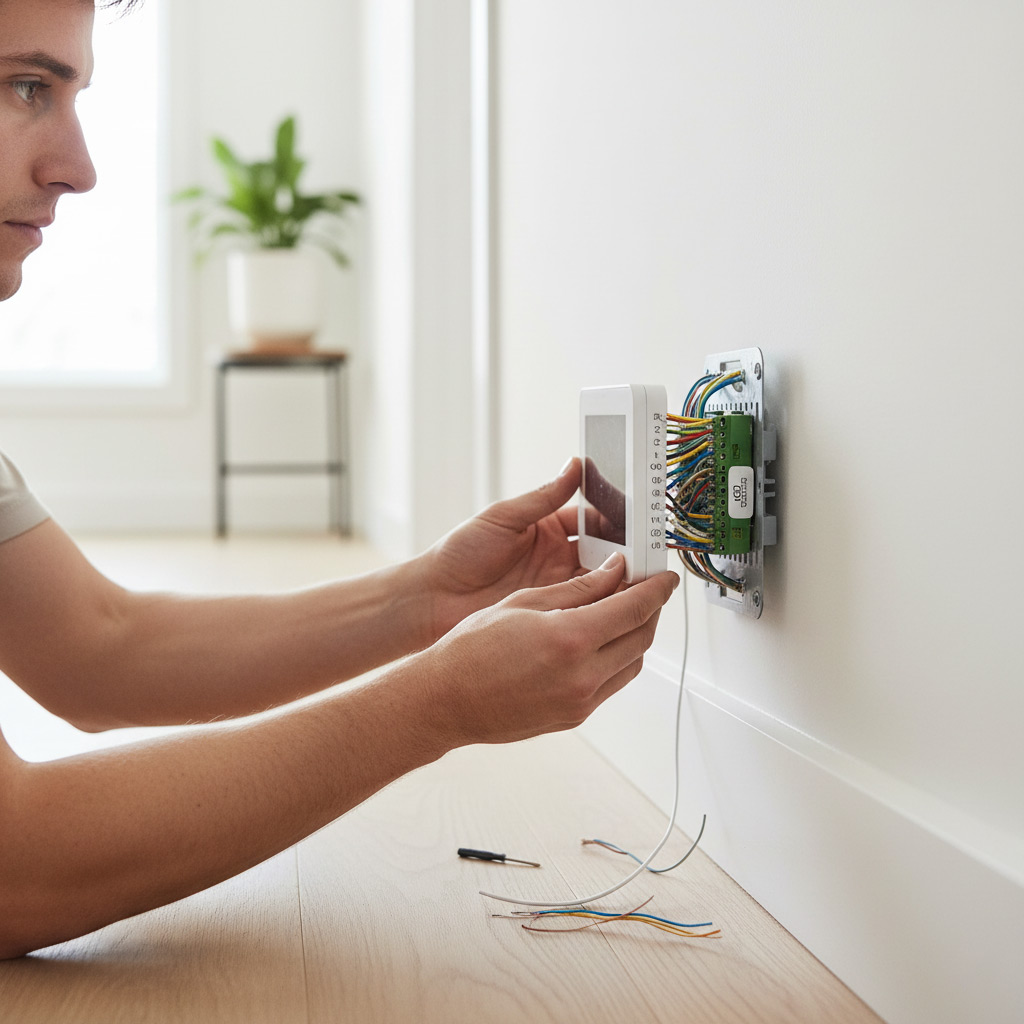
- Test the thermostat to make sure it’s calibrated for sub‑zero temps.
- Seal any gaps around vents with foil‑tape to keep warm air inside.
Spring Reset
When the thaw arrives, flip the switch to cooling mode and let the system breathe. Clean the outdoor condenser coils; a layer of pollen can choke airflow.
- Turn off power, spray the coils with a garden‑hose, and gently brush away debris.
- Swap the furnace filter for a fresh one – spring dust loves to settle.
- Run the blower for 10 minutes to flush out any lingering moisture.
Summer Shield
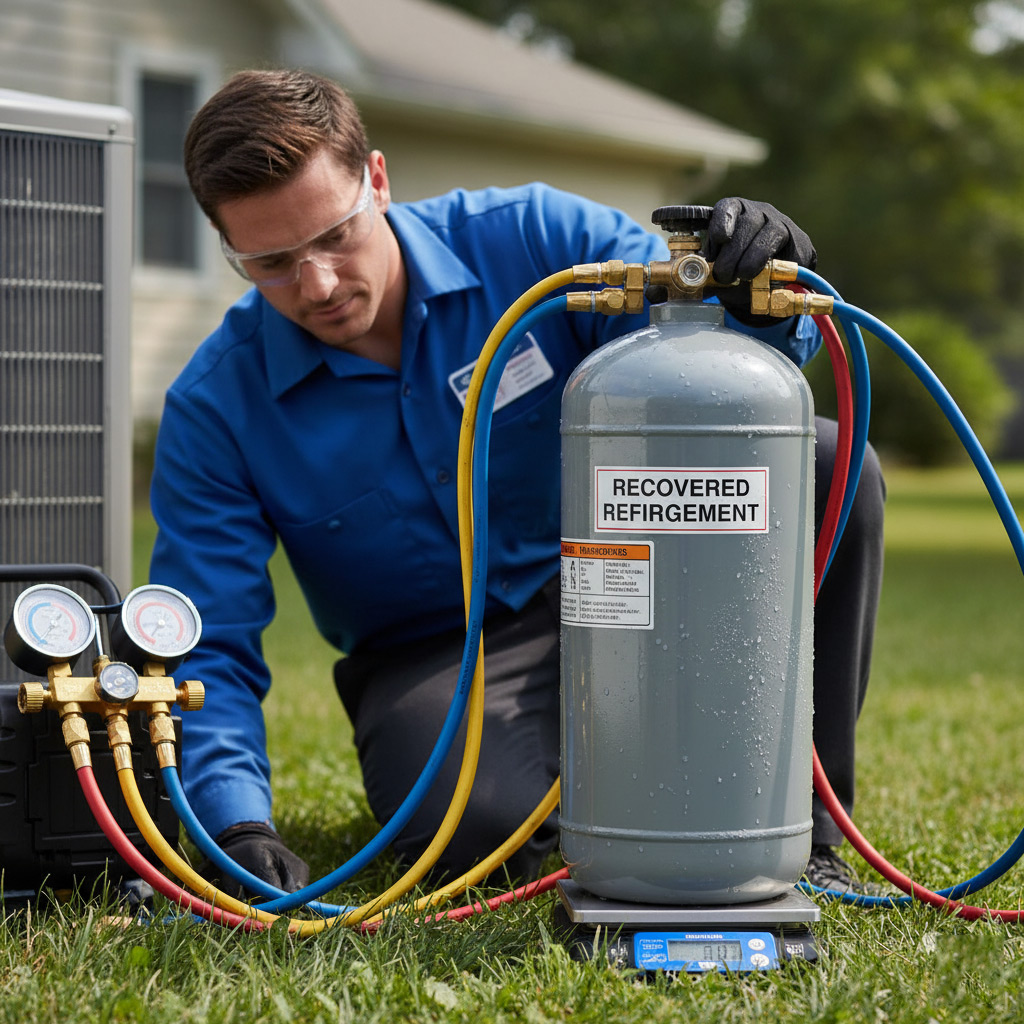
Mid‑summer heat is unforgiving, so keep the AC humming. Verify the refrigerant charge and listen for any odd noises.
- Trim back shrubs at least two feet from the outdoor unit for proper airflow.
- Check the condensate drain line; a clogged line can cause water damage.
- Schedule a professional coil cleaning if you notice reduced cooling.
Fall Tune‑Up
As leaves fall, give the furnace a final check before the cold returns. Clean the blower motor and lubricate moving parts.
- Inspect the vent hood for blockages – leaves love to pile up there.
- Run a short test cycle to confirm warm air distribution.
- Set the thermostat to “away” mode if you’re leaving for the holidays.
Common Pittsburgh HVAC Issues: Rust, Hard‑Water Deposits, and Filter Clogs Explained
Rust: The Silent Saboteur
In the Steel City, moisture loves to linger on metal surfaces, and rust sneaks in when you least expect it. Corroded coils lose heat‑transfer efficiency, forcing your furnace or AC to work harder and spike your electric bill.
Typical warning signs include:
- Reddish‑brown streaks on the blower or heat exchanger
- Unusual clanking noises when the system starts up
- Reduced airflow that feels “thin” rather than strong
If you spot any of these, it’s time to call a pro before the rust spreads to critical components.
Hard‑Water Deposits: The Invisible Blockage
Pittsburgh’s water can be a little “hard,” leaving mineral buildup on evaporator coils and condensate pans. Those white crusts act like insulation, so the system can’t shed heat efficiently.
Look for these clues:
- Ice forming on the coil during cooling cycles
- Water pooling around the indoor unit
- Frequent short‑cycling of the AC
Regular coil cleaning and a water‑softening system can keep the deposits from turning into a costly repair.
Filter Clogs: The Easy Fix You Might Skip
A dirty filter is the most common cause of reduced performance, yet homeowners often ignore it. When airflow is restricted, the furnace overheats and the AC freezes up.
Quick check‑list:
- Inspect the filter monthly; replace if it looks gray or dusty
- Use a higher‑MERV filter only if your system is rated for it
- Set a calendar reminder to change the filter every 60‑90 days
Keeping the filter clean is the cheapest way to protect your system from the other two problems.
DIY Inspection & Simple Fixes: How Homeowners Can Keep Their System Running Smoothly
Before you call a tech, grab a flashlight and a screwdriver. A quick visual sweep can catch the cheap problems that turn into pricey repairs. Think of it as a health check‑up for your furnace and AC.
Check the thermostat
- Make sure it’s set to heat or cool as needed.
- Replace the batteries if the display looks dim.
- Calibrate the temperature by turning the dial a few degrees up and down; you should see a response within a minute.
If the thermostat is acting weird, try resetting it. Unplug for 30 seconds, then plug back in. Most glitches disappear with a fresh start.
Inspect the outdoor unit
- Clear away leaves, twigs, and snow that block airflow.
- Check the fan blades for bends; straighten them with a screwdriver if needed.
- Look for obvious rust spots; a light coat of spray paint can stop further corrosion.
Give the coil a gentle rinse with a garden hose. No pressure washer—just a steady stream to wash off dust and hard‑water grime.
Clean or replace filters
- Locate the filter (usually behind the return grille).
- If it’s a disposable type, toss it out and slide in a new one.
- For reusable filters, vacuum the surface, then soak in warm, soapy water for 10 minutes.
Run the system for a few minutes after the swap. You’ll feel the difference in airflow, and your energy bill will thank you.
When to Call a Pro: Signs Your HVAC Needs Professional Service or Replacement
Red Flags You Can’t Ignore
When the thermostat screams for heat but the furnace spits out lukewarm air, it’s a clear SOS. Strange noises—clicking, grinding, or a high‑pitched squeal—mean something’s out of sync.
- Frequent short‑cycling (turning on and off every few minutes)
- Visible rust or corrosion on ducts and coils
- Unexplained spikes in your electric bill
Repair or Replace? The Bottom Line
If you’ve had more than two major repairs in the past 24 months, the math starts to look grim. Age matters: most units hit their sweet spot around 10‑12 years; beyond that, parts wear out faster.
- Cost of repair exceeds 50% of a new system’s price
- Repeated failures of the same component
- System can’t keep up with Pittsburgh’s temperature swings
Why a Pro Saves You Money
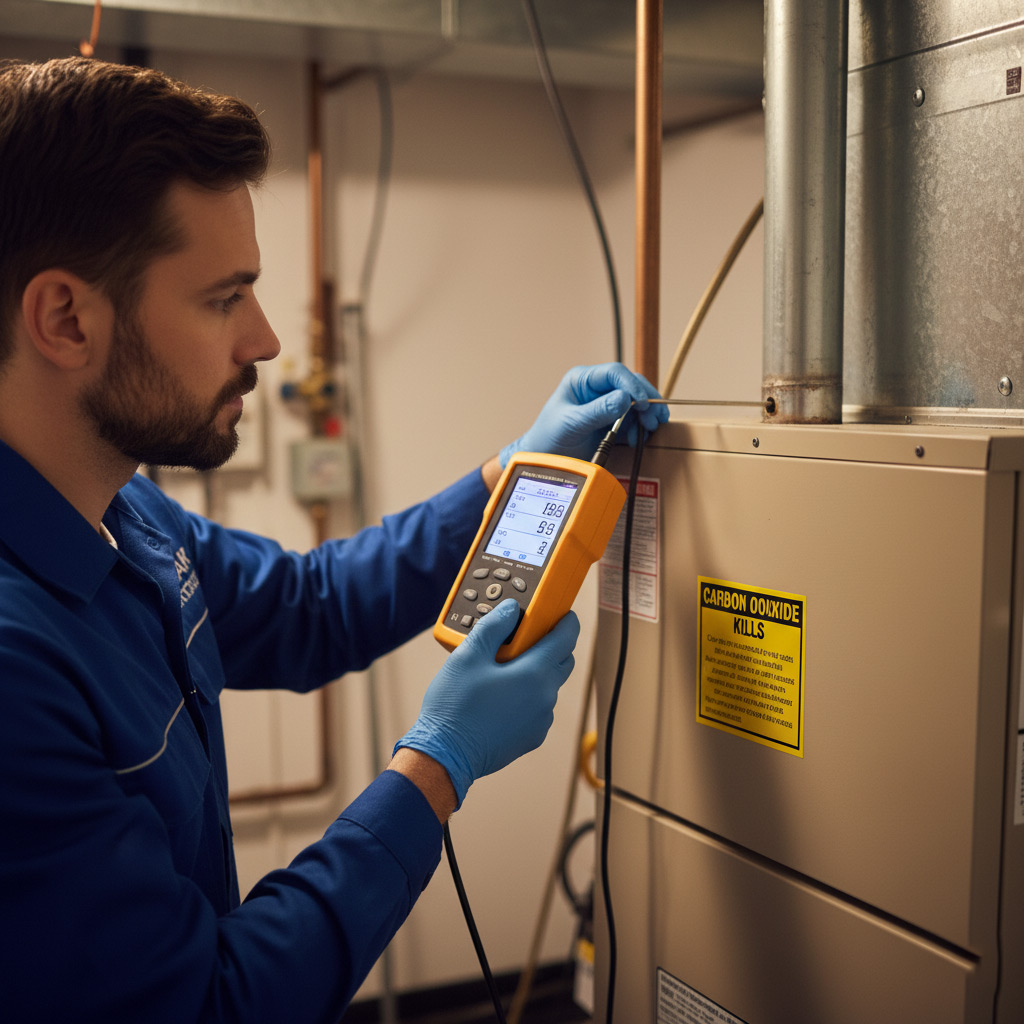
A certified technician spots hidden issues—like a cracked heat exchanger—that could turn into a safety hazard. They also fine‑tune refrigerant levels, which most DIYers can’t safely adjust.
- Warranty protection stays intact
- Proper disposal of old refrigerants avoids fines
- Optimized performance cuts energy use by up to 15%
Energy Efficiency Tips for Pittsburgh Homes: Reducing Bills While Extending System Life
First thing’s first: set your thermostat like a pro. Drop the heat a few degrees at night and let a programmable unit do the heavy lifting. You’ll see the meter spin slower without sacrificing comfort.
Seal the Envelope
Cold air sneaks in, warm air slips out—your HVAC works overtime. Plug those leaks and you’ll shave dollars off every bill.
- Apply weather‑stripping around doors and windows.
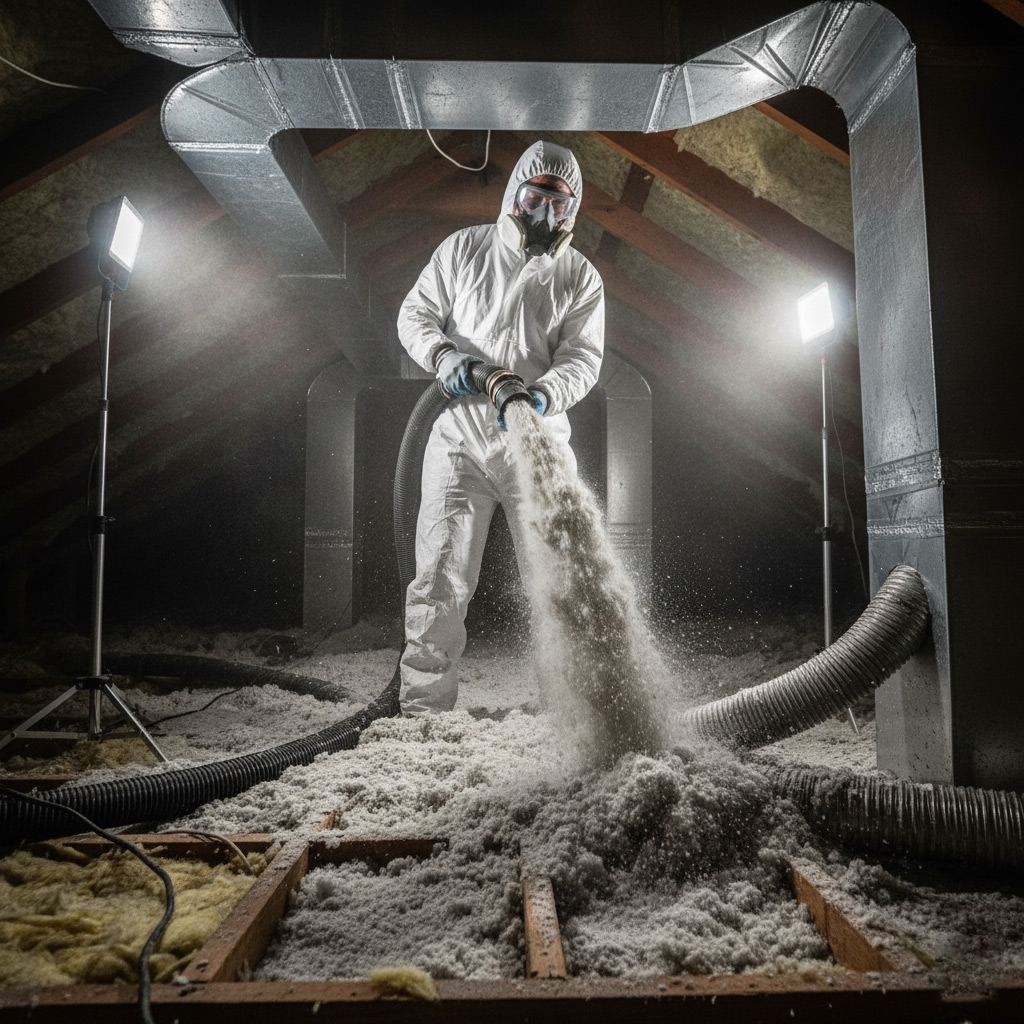
- Insulate attic spaces to keep heat where it belongs.
- Use caulk on gaps around pipes, vents, and electrical outlets.
Smart Maintenance Hacks
Keeping the system clean is cheaper than a surprise breakdown. A few minutes each season can add years to your unit’s life.
- Swap filters every 30‑60 days; a clogged filter forces the fan to work harder.
- Wipe condenser coils with a garden hose in spring; dust is a silent killer.
- Inspect ductwork for loose connections; sealed ducts move air more efficiently.
Case Study: How a Year‑Round Maintenance Plan Saved a Pittsburgh Family $2,300 in Repair Costs
The Family’s Situation
When the Martins moved into their 1950s bungalow, their furnace sputtered every fall. They were fed up with emergency calls and surprise invoices.
After a chilly January that left the living room at 55°F, they finally signed up for a year‑long maintenance contract with a local HVAC pro.
What the Maintenance Plan Covered
Each visit tackled the same three trouble spots that plague Pittsburgh homes:
- Filter swap and cleaning – eliminates dust buildup that chokes airflow.
- Inspecting for rust on coils and heat exchangers – catches corrosion before it leaks.
- Flushing the system to remove hard‑water deposits – protects the compressor and extends life.
The techs also ran a quick efficiency test and calibrated the thermostat. All done in under an hour.
Bottom‑Line Results
Within twelve months the Martins avoided three costly breakdowns that would have run $800‑$1,200 each.
Their utility bill dropped 12% after the spring tune‑up, saving roughly $400.
Subtract the $500 annual plan fee, and the net savings hit $2,300. That’s a real payoff for a simple, scheduled check‑up.
Final Words: Keeping Your HVAC System Reliable Through Every Pittsburgh Season
Think of your HVAC like a trusted teammate—you don’t wait until the fourth quarter to check the playbook. Mark your calendar for a quick 15‑minute visual once a month, and you’ll catch a loose screw or a dusty coil before it turns into a costly breakdown.
Season‑Smart Checklist
- Winter: Verify furnace ignition and clear snow from outdoor units.
- Spring: Swap filters, run the fan to dry out any condensation.
- Summer: Clean condenser fins, check refrigerant pressure.
- Fall: Inspect heat exchangers, lubricate moving parts.
When something feels off—odd noises, uneven temperatures, or a spike in your electric bill—don’t ignore it. Those little red flags are often the first sign that a component is wearing out, and catching them early can save you from a full‑system replacement.
When DIY stops being enough, call the pros. A quick HVAC maintenance service call now means you stay comfortable all year and keep your wallet happy.
People Also Ask
How often should I schedule HVAC maintenance in Pittsburgh?
A professional inspection twice a year—once before heating season and once before cooling season—keeps your system running efficiently. Some homeowners add a mid‑season check if they notice performance drops.What are the most common HVAC problems in Pittsburgh homes?
Rust from the city’s humidity, hard‑water deposits in coils, and clogged filters are frequent issues. These problems reduce airflow and can cause premature wear on the furnace or air conditioner.Can I perform HVAC maintenance myself, or do I need a licensed technician?
Homeowners can safely clean or replace filters, clear debris around outdoor units, and check thermostat settings. For refrigerant checks, motor inspections, or complex repairs, a licensed HVAC pro is required.What signs indicate I need professional HVAC service?
Unusual noises, inconsistent temperatures, frequent cycling, or rising energy bills suggest a deeper issue. If you notice water leaks or a loss of heating/cooling capacity, call a technician immediately.How does regular HVAC maintenance affect energy bills in Pittsburgh?
A well‑maintained system runs up to 15% more efficiently, lowering monthly utility costs. Routine cleaning and tune‑ups also extend equipment lifespan, reducing costly replacements.
Pittsburgh HVAC brings over 20 years of heating and cooling expertise to the Steel City, delivering reliable service to homes and businesses. Their team combines certified technicians with a deep understanding of local climate challenges, ensuring comfortable indoor environments year-round.
Need HVAC?
We deliver efficient solutions and rapid results to clients across Pittsburgh, PA and surrounding areas (15201, 15219, 15237) by streamlining processes and leveraging expertise. Our team drives progress and achieves outcomes quickly and effectively.
Request a Detailed Quote