If you think Pittsburgh’s weather is just about rain and snow, you’re missing the real battle happening behind your walls. Your furnace and AC are fighting a silent war with the city’s quirks, and most homeowners never even notice the clues.
From the steel‑town drafts that sneak through old brick to the hidden heat‑loss spots that make your thermostat scream, we’ve uncovered the tricks that keep the good folks of the “Burgh” comfortable without blowing their budget. These are the same secrets the pros use to keep homes cozy year‑round while keeping the electric bill in check.
Stick around and you’ll learn the three little adjustments that can shave off dozens on your energy bill while keeping every room at the perfect temperature.
How Pittsburgh’s Micro‑Climate Shapes Residential HVAC Needs
Nestled at the confluence of the Allegheny, Monongahela, and Ohio rivers, Pittsburgh sits in a natural bowl that traps cold air in winter and holds heat in summer. Those three waterways act like giant fans, pushing breezes through the valleys and over the hills, so your home feels the wind even on a calm day. Understanding that local airflow is the first step to stopping your furnace from overworking.
Temperature swings that matter
Because the city’s elevation changes from 700 ft downtown to over 1,300 ft in the suburbs, you’ll see rapid shifts between hot and cold zones. A single block can go from a toasty 72 °F in the morning to a biting 38 °F by night. That swing forces your HVAC system to cycle more often, which spikes wear and your utility bill.
- Hill‑side homes lose heat faster at night.
- River‑front houses gain moisture, making AC work harder.
- South‑facing basements stay warm, creating hidden hot spots.
When you size a furnace or air conditioner without accounting for those micro‑climate quirks, you end up with a unit that’s either too big—wasting fuel—or too small—leaving rooms chilly. Proper load calculations that factor in elevation, wind exposure, and humidity levels keep the system humming at its sweet spot, saving you cash and headaches all year long.
Spotting Hidden Drafts and Heat‑Loss Hotspots in Classic Steel‑Town Homes
Old brick walls and the original steel‑frame studs that gave Pittsburgh its nickname are beautiful, but they love to whisper cold air through tiny cracks. Those gaps are the silent culprits that make your furnace work overtime while you’re still shivering on the couch.
Where the drafts love to hide
- Window sills – especially the ones that have settled over decades.
- Basement stairwells – the transition point between concrete and wood framing.
- Fireplace chase – the space above the mantle where the flue meets the ceiling.
- Exterior doors – the gap between the frame and the threshold is a favorite.
Finding them is easier than you think. Run the back of your hand along the edges; you’ll feel a chill before the thermostat even knows it’s there.
Tools that call out the cold
- Lighted incense stick – watch the smoke dance; it will swirl toward the leak.
- Infrared thermometer – a quick scan shows a cold spot in seconds.
- DIY “blanket test” – drape a thin blanket over a wall and feel for drafts on the other side.
Once you’ve pinpointed the trouble spots, you can stop the heat‑loss before it drains your wallet.
Quick fixes that pay off
- Apply low‑expansion spray foam to gaps around pipe penetrations.
- Install self‑adhesive weatherstripping on doors and windows.
- Seal the top of the fireplace chase with a high‑temperature caulk.
- Wrap exposed basement joists with foil‑backed insulation.
These small steps turn a drafty “steel‑town” relic into a snug, energy‑smart home without a full remodel. Your furnace will thank you, and so will your bank account.
Fine‑Tuning Furnace and AC Settings for Year‑Round Efficiency
Set the Right Temperature
In Pittsburgh, a 68°F winter set‑point and a 78°F summer set‑point hit the sweet spot for comfort and cost. Don’t chase the thermostat—let it stay steady for at least 30 minutes before you adjust again.
- Winter: 68°F when you’re home, 60°F when you’re out.
- Summer: 78°F while you’re home, 85°F during the day if you’re at work.
- Use the “away” mode on smart thermostats to lock those numbers in.
Play with Fan Speed and Cycle
Most folks run the fan on “auto,” and that’s a good habit. The fan only kicks on when the furnace or AC calls for heat or cool, saving energy that a constantly‑running fan would waste.
If you have a multi‑stage furnace, set it to “low” for most of the season. It runs longer, but at a lower temperature, which means less wear and a gentler bill.
Program Your Thermostat Like a Pro
Skip the “set‑and‑forget” myth. A well‑programmed schedule can shave 10‑15% off your utility bill.
- Morning boost: 30 minutes before you rise, raise the heat 2°F.
- Evening cool‑down: 30 minutes before you settle in, drop the AC 2°F.
- Weekend reset: Keep the same schedule, but add a 1‑hour “comfort window” if you’re home all day.
Leveraging Smart Thermostats and Zoning to Slash Energy Costs
Smart Thermostats: The Brain of Your HVAC
When a thermostat learns your schedule, it stops guessing and starts saving. Learned‑behavior algorithms cut idle run‑time by up to 30%.
Key features that matter in a Pittsburgh home:
- Geofencing – the unit knows when you’re heading home and pre‑heats or cools just enough.
- Remote access – tweak the temperature from a coffee shop without lifting a finger.
- Energy‑use reports – see which rooms are hogging power and act fast.
Zoning: Tailor Comfort Room by Room
Imagine telling the furnace, “Heat the den, ignore the attic.” That’s zoning, and it stops waste dead in its tracks.
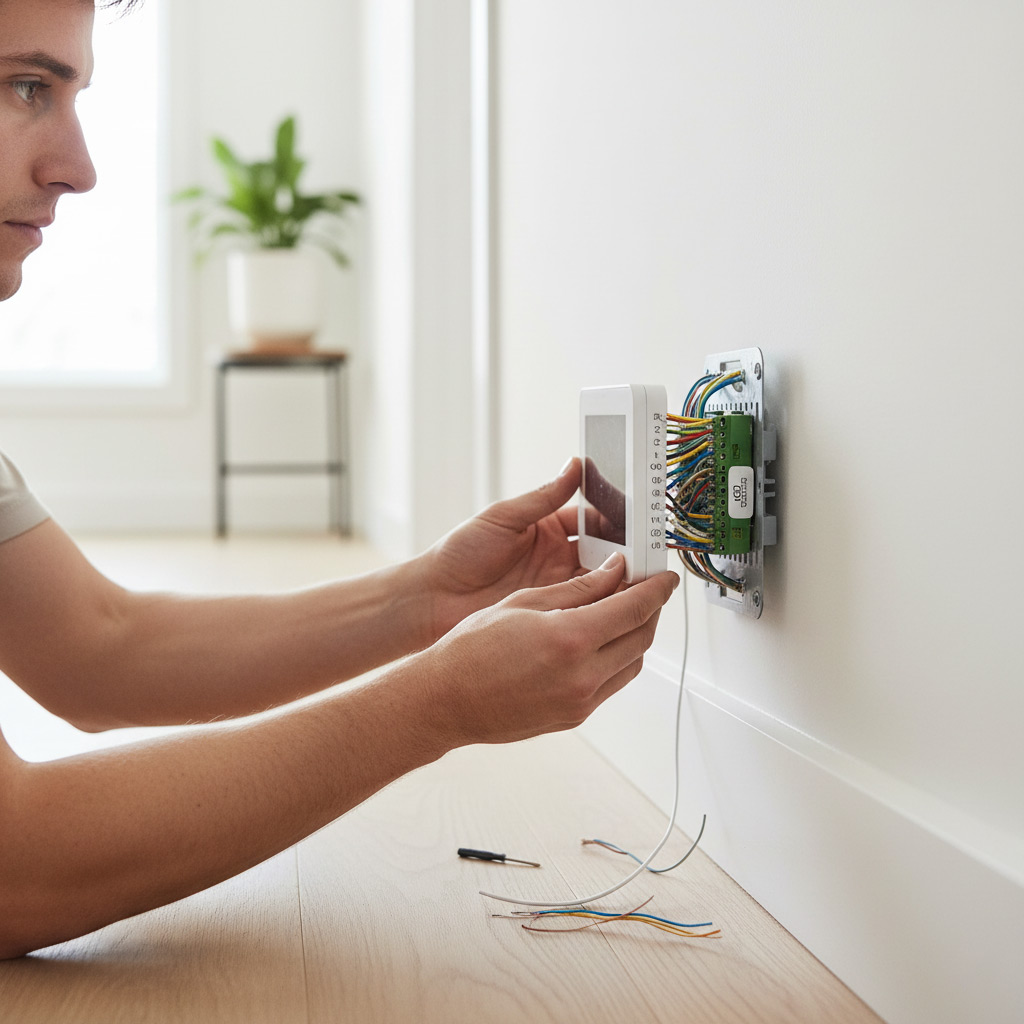
Set up zones with motorized dampers or separate thermostats, then assign each area a schedule that matches its use.
- Living spaces – 68‑70°F when you’re there, 60°F when empty.
- Bedrooms – a cooler 65°F at night for better sleep.
- Basement or garage – keep them at a modest 55°F to protect pipes without heating the whole house.
Putting It All Together for Pittsburgh Winters
Pair a smart thermostat with a zoning controller, and you’ve got a system that reacts to both the weather outside and the rooms inside.
Program the thermostat to lower the set‑point when a zone’s damper closes, then let the app send you a push notification if a draft is detected. That’s the kind of feedback loop that turns a “cold night” into a “low bill”.
Seasonal Maintenance Checklist: Preventing Waste Before It Happens
Think of your HVAC system like a car—skip the oil change and you’ll pay later. In Pittsburgh’s swing‑season, a quick once‑a‑season audit stops costly leaks before they become a nightmare.
Fall – Get Ready for the Chill
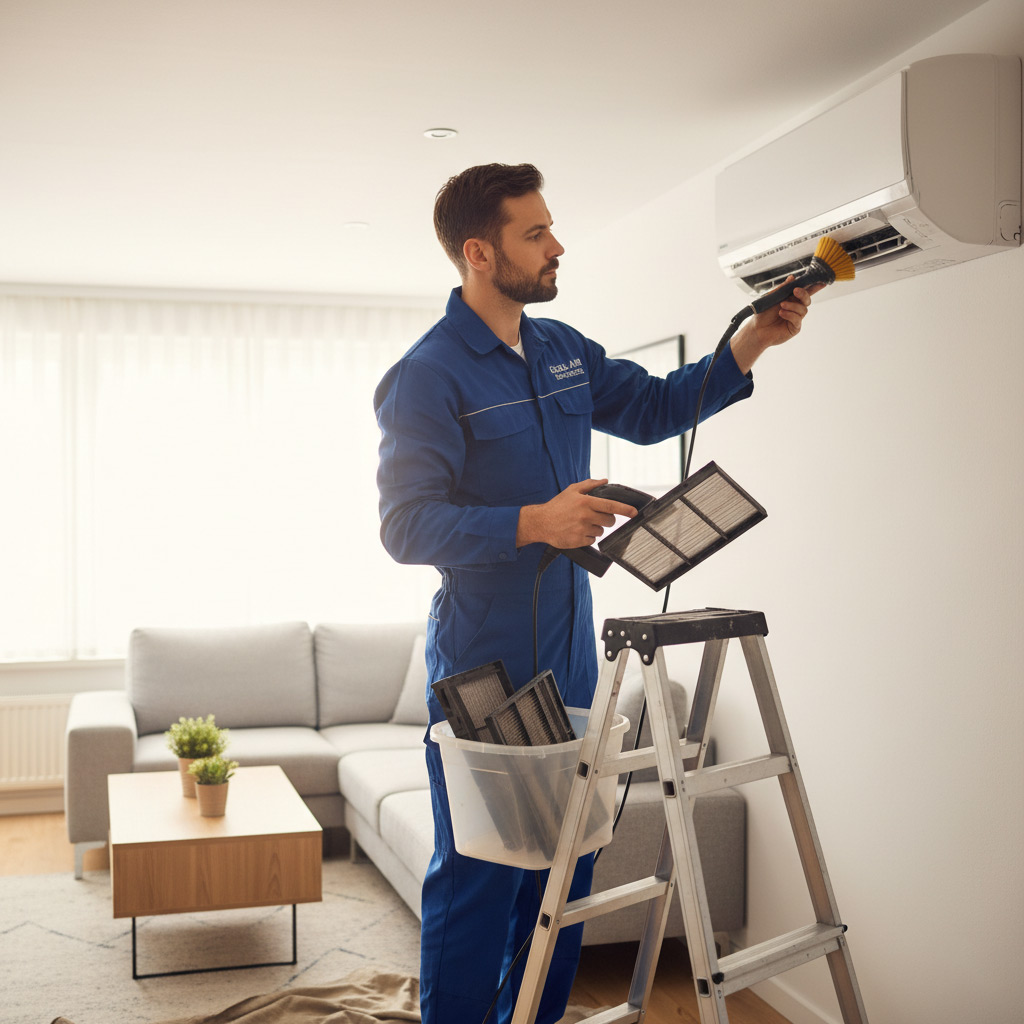
- Inspect furnace filters: swap out every 30 days if you’ve got pets or a wood‑burning stove.
- Check the blower motor belt for cracks; a frayed belt can overheat and waste fuel.
- Seal any new cracks around windows with weather‑stripping before the first freeze.
Doing this in September means your furnace won’t have to work overtime when the first snow hits.
Winter – Keep the Heat Where It Belongs
- Run the furnace on “high” for 10 minutes each week; it clears out condensation that can corrode heat exchangers.
- Test carbon monoxide detectors; a faulty detector is a silent danger.
- Clear snow from outdoor units—even a light dusting can choke airflow.
These three moves keep your home warm without the furnace screaming for help.
Spring – Breathe New Life Into Your System
- Turn off the furnace, turn on the AC, and let it run a full cycle; this flushes out dust that settled over winter.
- Schedule a professional coil cleaning; a dirty coil can jack up your electric bill by 15 %.
- Lubricate moving parts on the blower and fan motors to keep them humming.
Spring is the perfect time to catch problems before the summer heat hits.
Summer – Beat the Heat, Not the Bill
- Replace the AC filter every 30 days; a clogged filter forces the compressor to work harder.
- Check refrigerant lines for insulation damage; exposed lines lose cool air fast.
- Set the thermostat 78°F when you’re home; each degree lower can add up to $100 a year.
Follow this simple list and you’ll keep waste out of your wallet all year long.
Case Study: Transforming a Historic Pittsburgh Home into an Energy‑Saving Model
The Challenge
When the owners of a 1908 brick rowhouse called, they were fed up with drafts that slipped through the original plaster and a furnace that ran like a hamster on a wheel. The house sat on a sloping lot, so cold air pooled in the lower level while the attic turned into a sauna in July. Their utility bills were screaming louder than the traffic on the Strip District.
The Solution
We started with a laser‑scan audit to pinpoint every leak and heat‑loss hotspot. The data gave us a surgical plan that didn’t trash the historic charm.
- Air sealing: spray‑foam around window frames, recessed outlets, and the old chimney chase.
- Insulation upgrade: blown‑in cellulose in the attic, plus a thin‑film radiant barrier on the roof deck.
- Smart zoning: a Wi‑Fi thermostat paired with two motorized dampers—one for the basement, one for the upstairs.
- High‑efficiency furnace: swapped the 80% unit for a 96% AFUE model that talks to the thermostat in real time.
The Results
Within the first month, the family saw a 28% drop in heating costs and the thermostat stopped “hunting” between extremes. The basement stayed comfortably warm, and the upstairs never felt like a furnace room again.
Best part? The historic façade stayed untouched, and the home now qualifies for local energy‑rebate programs—adding cash back to the bottom line. The owners call it “the best renovation we never thought we could afford.”
Final Words
Now that you’ve seen how Pittsburgh’s quirks can sabotage comfort, it’s time to act. A few tweaks today keep the furnace from overworking tomorrow, and your wallet will thank you.
Take Action Today
- Seal any drafty window frames with weather‑stripping – it’s a $10 fix that saves dozens.
- Program your smart thermostat for a 1‑degree setback at night – you’ll notice the difference on the bill.
- Schedule a seasonal tune‑up before the next heating or cooling peak.
Need a pro to handle the hard stuff? Our crew knows every brick and beam in the “Burgh.” Check out our full suite of Residential HVAC Services for peace of mind.
People Also Ask
How does Pittsburgh’s micro‑climate affect my home’s heating and cooling needs?
Pittsburgh’s mix of humid summers, cold winters, and frequent wind gusts creates uneven temperature zones inside homes. This requires HVAC systems that can adapt quickly, maintain consistent indoor comfort, and handle rapid shifts between heating and cooling.What are the most common hidden drafts in historic steel‑town homes?
Typical draft sources include unsealed window frames, gaps around exterior doors, and poorly insulated attic hatches. These leaks can waste up to 30% of heating energy if not sealed properly.Can a smart thermostat really lower my energy bills in Pittsburgh?
Yes, a smart thermostat learns your schedule, adjusts temperature setbacks automatically, and can be controlled remotely, often cutting heating and cooling costs by 10‑15% in the region’s variable climate.How often should I schedule seasonal HVAC maintenance to avoid waste?
Schedule a professional tune‑up at the start of each heating and cooling season—typically in October and April—to clean filters, check refrigerant levels, and ensure optimal system performance before extreme weather hits.Is zoning worth installing in a multi‑story Pittsburgh home?
Zoning lets you set different temperatures for each floor or zone, preventing over‑heating or over‑cooling in unused areas. This targeted control can reduce overall energy consumption by up to 20% in larger homes.
Pittsburgh HVAC brings over 20 years of heating and cooling expertise to the Steel City, delivering reliable service to homes and businesses. Their team of certified technicians understands the unique climate challenges of western Pennsylvania and tailors solutions to keep indoor comfort consistent year‑round. Committed to local service, they prioritize quick response times and transparent communication for every project.
Need HVAC?
We deliver efficient solutions and rapid results to clients across Pittsburgh, PA and surrounding areas (15201, 15219, 15237) by streamlining processes and leveraging expertise. Our team drives progress and achieves outcomes quickly and effectively.
Request a Detailed Quote