Picture this: you walk through the front door on a bitter Pittsburgh evening, and the heat kicks in so fast it feels like you’ve just lit a fire in the living room. That instant comfort isn’t magic—it’s the result of a system that’s been installed the right way, for the right climate.
Most homeowners in the Steel City think a furnace or AC is a set‑and‑forget gadget, but the truth is a little more gritty. Bad sizing, sloppy ductwork, or a rushed install can turn a dream of cozy winters and breezy summers into a nightmare of sky‑high bills and constant repairs.
In the pages ahead we’ll break down everything you need to know—how to pick the perfect unit, what red flags to watch for during installation, and the secret tricks pros use to keep your system humming for years. Ready to stop guessing and start mastering your home’s climate? Let’s dive in.
Understanding Pittsburgh’s Climate and Its Impact on HVAC Requirements
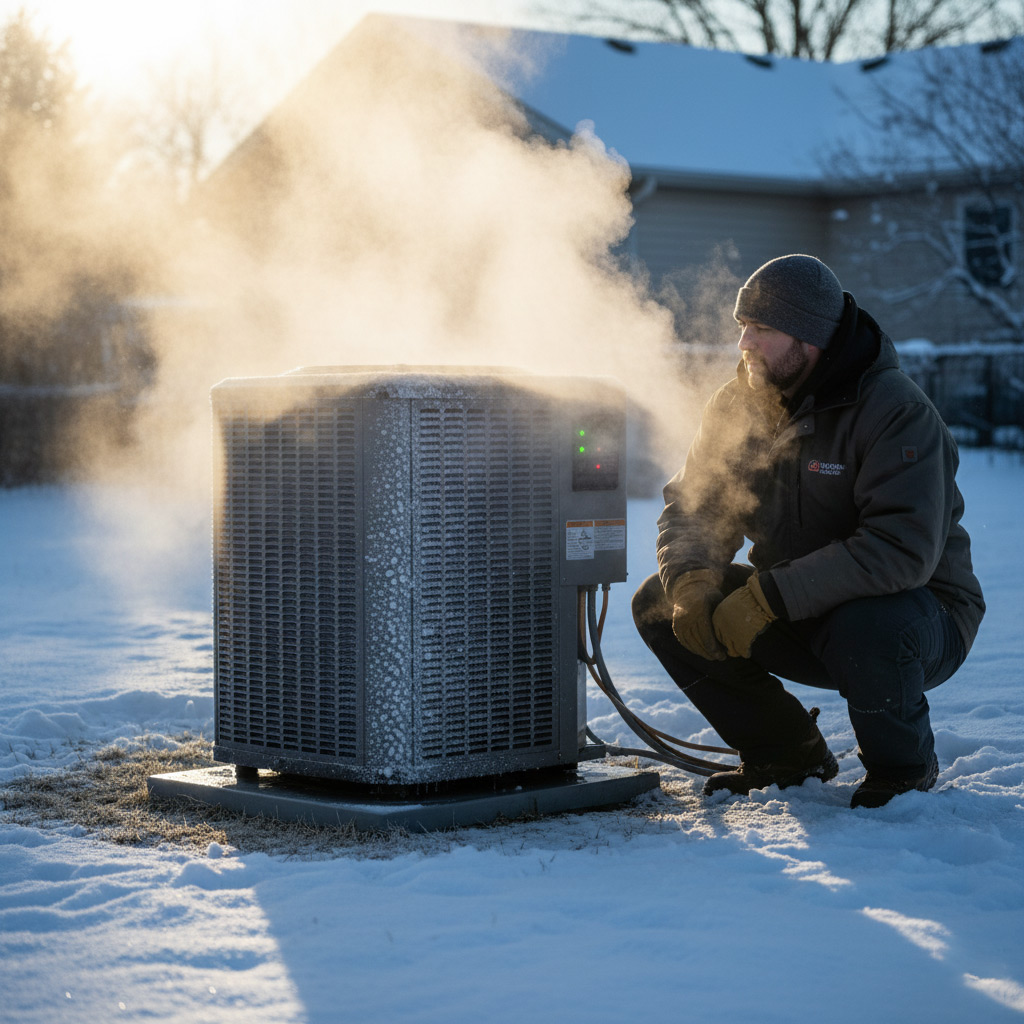
Steel City weather doesn’t play nice. Winters drop below 20°F, snow piles up, and the wind can feel like a cold blade. Summers push into the high 80s with humidity that makes every breath feel thick. That swing from bone‑chilling to sweltering means your HVAC has to be ready for both ends of the spectrum.
Because the temperature swings are so extreme, a one‑size‑fits‑all system will leave you shivering in January and sweating in July. You need a furnace that can crank out enough heat to melt a snowbank and an air‑conditioner that can pull moisture out of the air before it turns your living room into a sauna. Choosing the right capacity and features isn’t a luxury—it’s a survival tactic for your wallet and comfort.
Key Climate Factors to Factor Into Your Design
- Temperature range: -10°F to 90°F across the year.
- Humidity levels: 60‑80% in summer, 30‑40% in winter.
- Average snowfall: 40‑50 inches, demanding reliable heat distribution.
- Wind patterns: gusts from the northwest can increase heat loss.
- Seasonal storms: occasional power outages require robust backup options.
Proper Sizing: Calculating the Right BTU Load for Your Home
Too big a unit blows hot air like a furnace, too small a unit works like a hamster on a wheel. The result? Uneven temps, wasted money, and a system that quits early. Get the size right the first time and you’ll dodge those headaches forever.
Step‑by‑Step BTU Calculator
Start with your home’s square footage. Multiply that number by 25 BTU for a typical Pittsburgh climate. That’s your baseline. From there, adjust for the quirks that make your house unique.
- Ceiling height: Add 10 % if ceilings exceed 8 ft.
- Insulation level: Subtract 5 % for upgraded insulation, add 5 % for older, drafty walls.
- Window count & orientation: Add 7 % for large south‑facing windows, subtract 3 % for shaded east/west panes.
- Occupancy & appliances: Add 600 BTU per regular occupant and 1,200 BTU for each major kitchen appliance.
Plug those adjustments back into your baseline and you’ll land on a BTU range, not a single number. Aim for the middle of that range; it gives the system breathing room on the coldest nights and the hottest July days. Don’t let a guess‑work estimate dictate your comfort.
Essential Installation Elements: Ductwork Design, Vent Placement, and System Controls
Ductwork Design
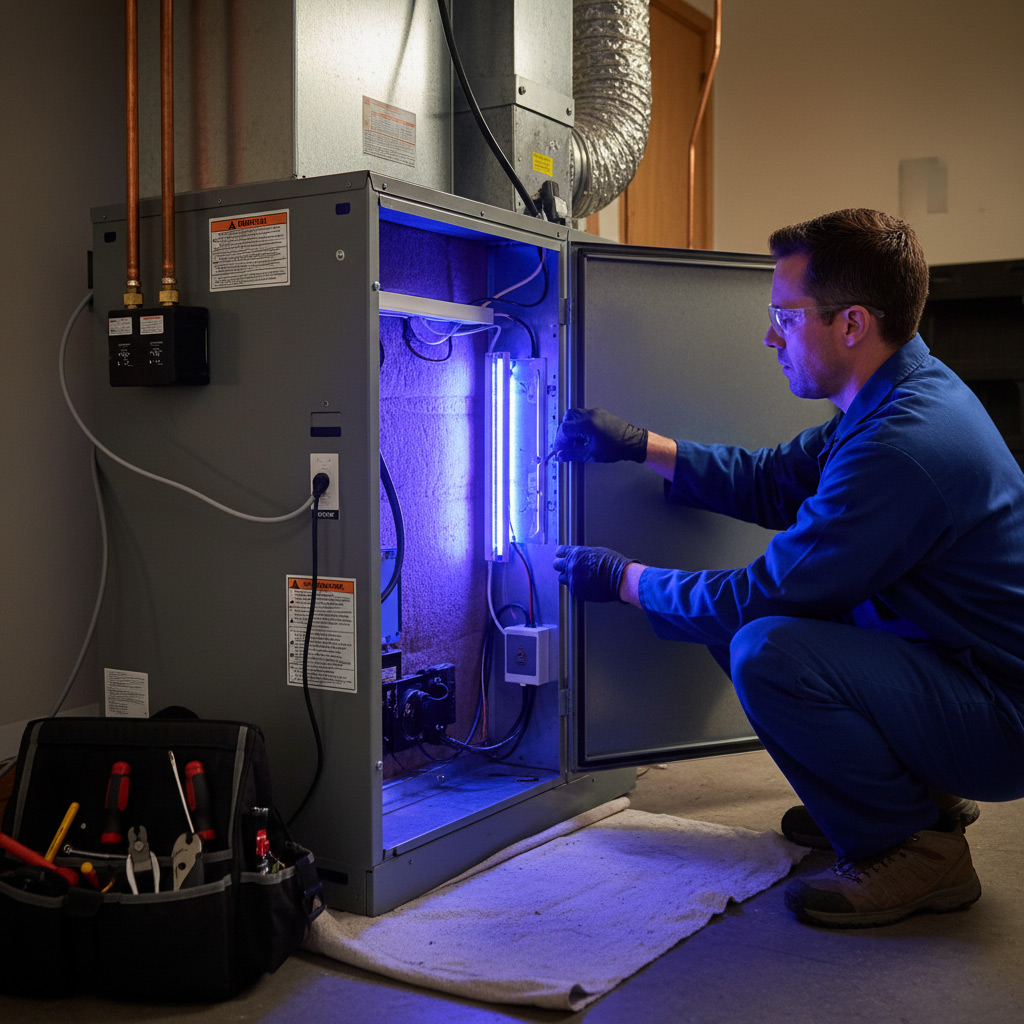
Good ductwork is the highway that carries comfort to every room. If the pipes are too small, you’ll feel a draft; too big, and the system wastes energy.
Key design rules you can’t ignore:
- Keep runs short – every extra foot adds resistance.
- Use rigid metal whenever possible; flexible flex loses pressure fast.
- Seal every joint with mastic, not cheap foil tape.
Vent Placement
Where you put the vents decides how evenly the temperature spreads. A vent tucked behind a couch or under a cabinet is a dead end.
Smart placement tips:
- Supply vents should be on the interior wall, away from windows.
- Return vents need a clear path to the furnace – think open hallway, not a closet.
- Balance high‑ceiling rooms with floor registers to pull cool air down.
System Controls
Even the best hardware can flop without proper controls. A programmable thermostat is the brain that tells the system when to work and when to chill.
Don’t settle for a basic dial:
- Choose a unit with Wi‑Fi connectivity for remote tweaks.
- Set up zoning – separate controls for the basement, main floor, and attic.
- Calibrate the sensor away from direct sunlight or drafts.
Red Flags and Common Mistakes to Avoid During Installation
Red Flags to Watch
When the installer starts cutting corners, you’ll feel it in the air. Look for rushed duct seams that aren’t sealed with mastic or foil tape.
Another warning sign is a missing or incomplete manual. If the tech can’t hand you a spec sheet, something’s off.
- No pressure test on the refrigerant lines – leaks hide big bills.
- Improper clearance around the furnace – fire code violations are a nightmare.
- Unmatched thermostat wiring – you’ll end up with a thermostat that talks to itself.
Common Mistakes
Homeowners often let the contractor decide the unit size without a load calculation. That leads to a system that’s either gulping energy or freezing up.
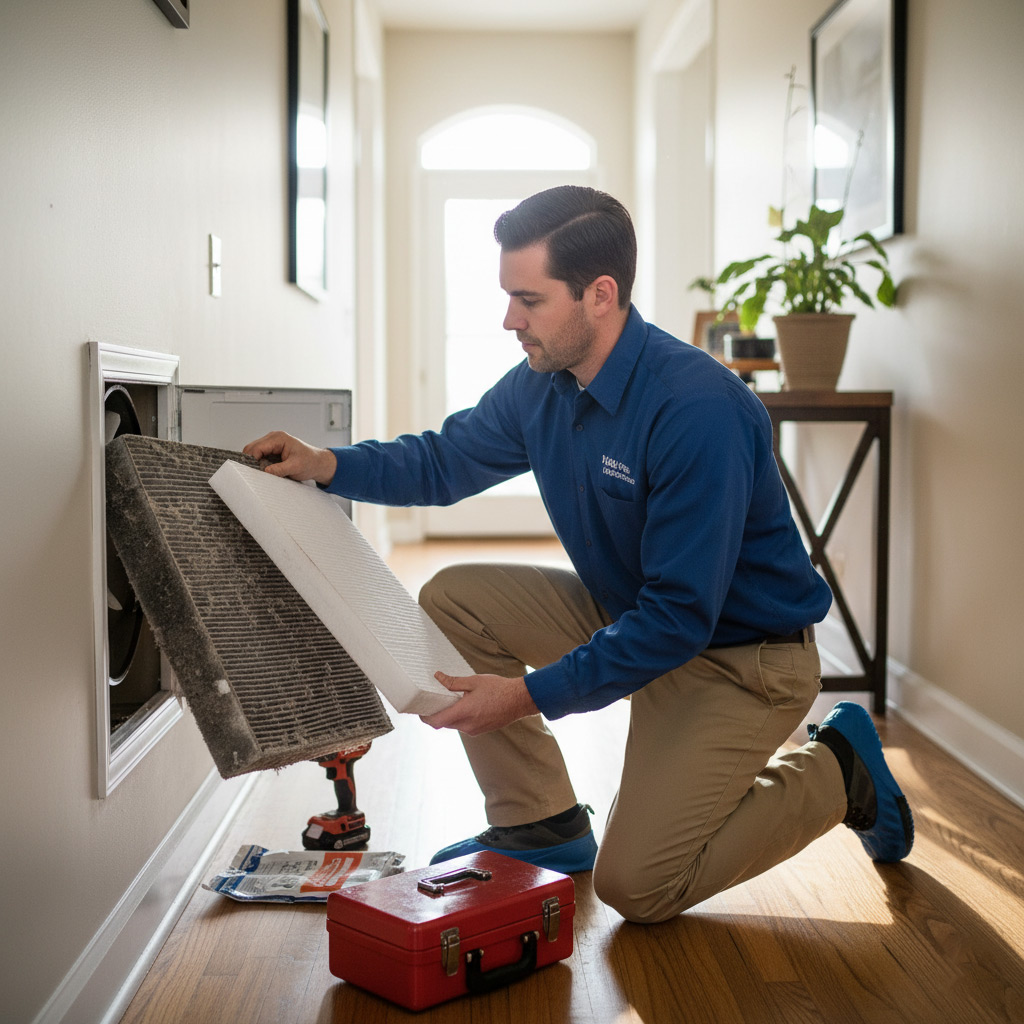
Skipping the insulation check on the ductwork is a classic slip. Leaky ducts waste up to 30% of heated or cooled air.
- Using flexible duct where rigid should be – it sags, it rattles, it loses efficiency.
- Mounting the outdoor condensing unit in a shady spot that blocks airflow – the unit works harder.
- Neglecting to balance the system after install – rooms stay hot or cold, and you’ll keep tweaking the thermostat.
Bottom line: demand a walk‑through checklist, ask for proof of proper sealing, and never settle for “it looks fine.” A solid install saves you cash and headaches for years to come.
Boosting Energy Efficiency: SEER Ratings, Programmable Thermostats, and Local Incentives
SEER Ratings: What Matters
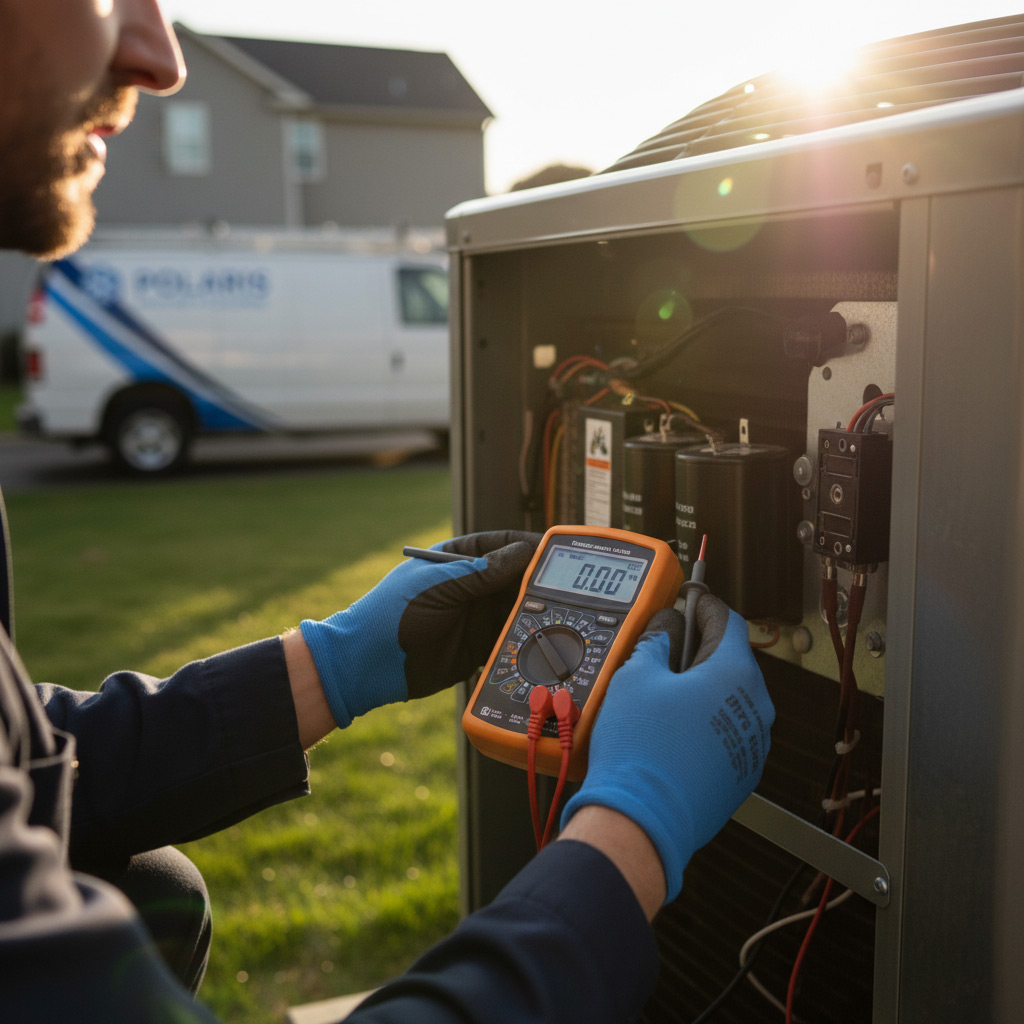
When you see a unit boasting a 16 SEER, think of it as a fuel‑efficient race car—more miles per gallon, less waste. Higher SEER means lower electric bills, especially during Pittsburgh’s sweltering July days. But don’t chase the highest number blindly; a 14‑SEER system paired with proper sizing often outperforms a 20‑SEER unit that’s oversized.
Programmable Thermostats: Your Silent Savings Partner
Modern thermostats are like a personal assistant that never sleeps. Set a “away” schedule, and the furnace backs off while you’re at work, then ramps up before you walk in the door. Every degree you shave off the night‑time set‑point can shave $30‑$50 off your annual bill.
- Use “hold” for vacations – no need to keep the system running full‑tilt.
- Take advantage of “smart‑away” features that learn your routine.
- Integrate with home‑automation hubs for voice control and remote tweaks.
Local Incentives: Cash Back for Smart Choices
Pittsburgh offers more than just a great view of the skyline; the city and state throw money at energy‑savvy upgrades. Grab the rebates before they disappear—they’re often limited to the first 100 applicants each year.
- PA Energy Efficiency Incentive Program: up to $1,200 off high‑SEER units.
- Utility‑company rebates: $300‑$500 for qualifying programmable thermostats.
- Federal tax credit: 30% of the equipment cost, capped at $600 for residential HVAC.
Case Study: Revamping a Historic Pittsburgh Residence with a Tailored HVAC Solution
When the owners of a 1908 brownstone called, they were terrified. The original furnace rattled like a junkyard, and the single‑pane windows turned the living room into a sauna in July. They needed a system that respected the home’s character but still delivered modern comfort.
What Made This Project a Puzzle
The house had narrow stairwells, plaster walls, and a maze of outdated ductwork that barely reached the attic. Adding a new unit meant threading pipes through a century‑old foundation without cracking the masonry. Every inch counted.
Our Tailored Solution
We went back to basics and built a custom plan that fit the house like a glove.
- Variable‑speed heat pump – delivered steady heat in winter and crisp cooling in summer without the whine of a traditional furnace.
- Mini‑duct “snake” system – tiny, flexible ducts slipped through the existing wall cavities, preserving the original plaster.
- Smart zoning – three programmable thermostats let the owners set different temperatures for the parlor, kitchen, and upstairs loft.
- Historic‑grade insulation – spray‑foam applied only where it wouldn’t show, sealing gaps and cutting the load on the new unit.
Installation took two weeks, but the result was immediate. The first night the furnace kicked on, the house felt warm in seconds, and the owners reported a 30% drop in their energy bill within the first month. Proof that a thoughtful, custom approach beats a one‑size‑fits‑all install every time.
Final Words
When the Pittsburgh wind whistles through the Allegheny, you want a system that *doesn’t* shiver or overheat. The difference between a home that feels like a sanctuary and one that feels like a money‑sucking furnace is often a single decision made during installation. Choose wisely, watch the details, and you’ll reap comfort for years.
What to Keep in Your Back Pocket
- Double‑check the BTU calculation before you sign any contract.
- Insist on a sealed, insulated duct run—leaky ducts are the silent bill‑inflators.
- Ask for a walkthrough of the control system so you know how to program it for Pittsburgh’s swing‑season.
And if you ever feel the heat (or the chill) isn’t right, don’t wait. A quick call to a certified pro can catch a problem before it becomes a costly repair. Need a trusted partner? Check out our HVAC Installation page for a crew that knows the Steel City inside out.
People Also Ask
How does Pittsburgh’s climate affect the type of HVAC system I need?
Pittsburgh experiences cold winters and humid summers, so a system with strong heating capacity and efficient cooling is essential. Look for units with high SEER ratings for summer and robust BTU output for winter comfort.What BTU size is ideal for a typical 2,000‑sq‑ft home in Pittsburgh?
A 2,000‑sq‑ft home usually requires a system rated between 24,000 and 30,000 BTU, but exact sizing depends on insulation, window quality, and ceiling height. A professional load calculation ensures the right capacity without oversizing.Why is proper ductwork design critical during HVAC installation?
Well‑designed ductwork delivers balanced airflow, reduces energy loss, and prevents hot or cold spots. Incorrect sizing or poor placement can increase utility bills and shorten equipment lifespan.What are common red flags to watch for when a contractor installs my HVAC system?
Watch for rushed measurements, missing permits, inadequate insulation around ducts, and lack of a detailed start‑up checklist. These issues often lead to performance problems and costly repairs later.Are there local incentives in Pittsburgh for upgrading to a high‑efficiency HVAC system?
Yes, Pennsylvania offers rebates through the PA Energy Efficient Appliance Rebate Program and utility companies like Duquesne Light provide additional credits. Pairing these incentives with a high‑SEER unit can significantly lower upfront costs.
Pittsburgh HVAC brings over 20 years of heating and cooling expertise to the Steel City, delivering reliable service to homes and businesses. Their team of certified technicians understands the unique climate challenges of western Pennsylvania and tailors solutions to keep indoor comfort consistent year‑round. Committed to local service, they prioritize quick response times and transparent communication for every project.
Need HVAC?
We deliver efficient solutions and rapid results to clients across Pittsburgh, PA and surrounding areas (15201, 15219, 15237) by streamlining processes and leveraging expertise. Our team drives progress and achieves outcomes quickly and effectively.
Request a Detailed Quote